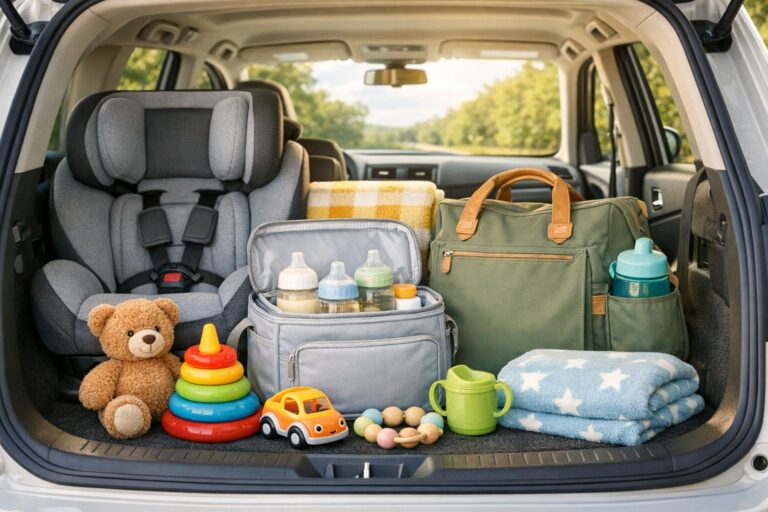
How to Handle Food Allergies While Traveling with Kids

Traveling with kids who have food allergies can feel overwhelming, but it doesn’t have to be. The key is preparation and clear communication. Here’s how you can ensure a safe and enjoyable trip:
- Research ahead: Look into local cuisines, allergen labeling laws, and allergy-friendly restaurants. Use apps like Allergy Eats or Spokin for recommendations.
- Stay somewhere with a kitchen: Preparing meals yourself minimizes risks. Choose accommodations with kitchens or at least a fridge and microwave.
- Pack essentials: Always carry medications in your carry-on, bring allergy cards in local languages, and stock up on safe snacks.
- Plan for emergencies: Know where the nearest medical facilities are and carry an emergency action plan with all necessary documents.
- Communicate clearly: Use allergy cards, talk directly to kitchen staff, and learn key allergy phrases in the local language.
[PG] Parental Guidance – Prevent Food Allergies from Ruining Your Happy Holidays
Planning Your Trip: Research and Preparation
When you’re traveling with a child who has food allergies, preparation is your best friend. The more groundwork you lay before you leave, the more confident and prepared you’ll feel when navigating unfamiliar environments.
Research Your Destination’s Food Scene
Knowing what to expect at your destination can help you avoid surprises. Start by looking into the common ingredients used in local cuisine. For example, Mediterranean dishes often feature nuts and seafood, while Asian cuisines frequently include soy and peanuts. If your child has a shellfish allergy, it’s helpful to know that dishes like Spanish paella or Thai meals with fish sauce might pose a risk. This kind of awareness lets you plan meals and snacks in advance.
Keep in mind that food labeling laws vary by country. In the U.S., the Food Allergen Labeling and Consumer Protection Act (FALCPA) requires clear allergen labeling, but this isn’t the case everywhere. While the European Union enforces similar regulations, some countries might not provide detailed allergen information on packaging. Check government websites, travel health organizations, or advocacy groups like Food Allergy Research & Education (FARE) for specific labeling standards.
Use technology to your advantage. Apps like Allergy Eats, Spokin, and Find Me Gluten Free can help you find allergy-friendly restaurants and grocery stores, complete with reviews and menu details. Social media groups for local food allergy communities can also be a goldmine for tips and recommendations from families who live in or have visited your destination.
Book Accommodations with Kitchen Access
Having a kitchen at your disposal can make all the difference when managing food allergies. Whether it’s a hotel with a kitchenette, an apartment, or a vacation rental with a full kitchen, these options allow you to prepare meals safely and avoid cross-contamination risks. Even a refrigerator and microwave can be helpful for storing and reheating safe foods.
Before booking, call to confirm the availability of kitchen amenities. Ask about the equipment provided, the size of the refrigerator, and whether additional cooking facilities can be requested. Extended-stay hotels and self-catering rentals often offer fully equipped kitchens, giving you full control over ingredients and preparation.
It’s also smart to choose accommodations close to grocery stores. Being near familiar chains or well-stocked markets makes it easier to buy safe foods and replace essentials as needed. If you’re traveling with perishable items, consider packing a small cooler to keep things fresh, especially for medications that require refrigeration.
Locate Medical Services and Pharmacies
Before you go, take the time to identify nearby medical facilities. Use online maps, travel health websites, or local directories to find emergency rooms, urgent care centers, and pharmacies close to your accommodations. Make a list with addresses, phone numbers, and operating hours so you’re prepared in case of an emergency.
If possible, prioritize facilities that specialize in pediatric care. Children’s hospitals or clinics with allergy specialists often have more experience handling severe allergic reactions in kids. Some travel apps and guides even include reviews of medical facilities, which can help you assess their quality and accessibility.
Surveys show that proximity to medical care is a top concern for families traveling with food allergies, with many avoiding remote destinations due to the potential risks. Keep this information handy – store it on your phone and print copies for backup. If you’re traveling to a country where you don’t speak the language, download a translation app to help with medical communication.
What to Pack for Allergy Safety
Packing smart can turn what might feel like a nerve-wracking trip into a smooth and enjoyable family adventure. When traveling with a child who has food allergies, having the right supplies on hand is a must to handle emergencies with ease.
Pack All Medications in Carry-On Bags
Always keep allergy medications in your carry-on bag. Checked luggage can get delayed or lost, and you’ll want quick access to essential items like epinephrine auto-injectors (EpiPens), antihistamines, inhalers, and any other prescribed medications your child requires.
The Food Allergy Research & Education (FARE) organization advises carrying at least two epinephrine auto-injectors per child, as severe reactions could require a second dose before help arrives. To prepare for unexpected delays, pack extra doses of all necessary medications.
If you’re flying through U.S. airports, the Transportation Security Administration (TSA) allows medically necessary liquids and medications in carry-ons, but you’ll need to declare them at the security checkpoint. Carrying a doctor’s note and prescriptions can help avoid any confusion with TSA agents.
Store all allergy-related supplies in one clearly labeled bag that stays within arm’s reach throughout the journey. Consider using a brightly colored or insulated case so it’s easy to locate in a hurry. Make sure every adult in your group knows where the bag is and is familiar with how to use the medications inside. Include your child’s Food Allergy & Anaphylaxis Emergency Care Plan with the medications, keeping it easily accessible at all times.
Once your medications are packed, focus on clear communication by preparing allergy cards in the language of your destination.
Create Allergy Cards in Local Languages
Language barriers can make dining out with food allergies a risky experience. Allergy cards provide a simple way to explain your child’s allergies and the ingredients that must be avoided. For international travel, these cards should be translated into the primary language spoken at your destination.
For example, an English allergy card might read: "My child has a severe allergy to peanuts, tree nuts, and eggs. All foods must be free from these ingredients and not come into contact with them." The Spanish translation would read: "Mi hijo tiene una alergia grave a los cacahuetes, frutos secos y huevos. Todos los alimentos deben estar libres de estos ingredientes y no deben entrar en contacto con ellos".
To ensure accuracy, use professional or reliable online translation services. You can also find chef cards online, which are pre-designed templates in multiple languages that can be customized to fit your child’s specific allergies. Print several copies and keep them in easily accessible locations like your wallet, purse, or travel bag.
As a backup, consider carrying pictures of allergens to help communicate if language remains a barrier. These visual aids can be especially useful in areas where translation tools might fall short. Alongside communication tools, having safe food options is another way to stay prepared.
Bring Safe Snacks and Emergency Food
Packing allergen-free snacks that your child enjoys is one of the easiest ways to avoid risky food situations. Look for shelf-stable options like pre-packaged granola bars, dried fruit, applesauce pouches, rice cakes, oatmeal packets, or single-serve soy or oat milks. These snacks don’t require refrigeration and are perfect for travel.
Bring enough snacks to cover your entire trip, including any potential delays. If you’re flying, check your airline’s food policy and make sure you have sufficient non-perishable options. For destinations with limited allergy-friendly foods, you might want to pack a small cooler with ice packs for perishable items.
Don’t forget to bring practical items for safe eating. Hand wipes are essential for cleaning hands and surfaces when soap and water aren’t available. Sanitizing wipes can also be used to clean airplane tray tables, restaurant high chairs, or hotel surfaces before your child eats, giving you extra peace of mind.
How to Communicate About Food Allergies
Once you’ve planned and packed for your trip, the next step is mastering clear communication. Talking about your child’s food allergies effectively can be the difference between a safe meal and a dangerous situation. It’s especially important when you’re dealing with language barriers, as clear and direct communication ensures your message is understood.
Use Translated Allergy Cards
Translated allergy cards are a must-have when traveling. These cards should be presented in every food-related interaction – whether you’re at a restaurant, a food truck, a grocery store, or even a hotel buffet. They’re your go-to tool when verbal explanations aren’t possible or practical.
A good allergy card includes these key details:
- Specific allergens your child must avoid.
- The severity of the allergy.
- A request to prevent cross-contamination.
For example, your card might say: "My child has a severe allergy to peanuts, tree nuts, and eggs. Please ensure no cross-contact during preparation." Having this information in both English and the local language removes uncertainty for food handlers.
Always carry multiple copies of these cards. Keep them in places like your wallet, purse, diaper bag, or your child’s backpack. Laminating them can protect against spills or wear and tear. And when you hand over a card, give it directly to the person preparing or serving the food to ensure the message reaches the right person.
While apps like Equal Eats can provide customizable digital allergy cards, and tools like Google Translate can help in unexpected situations, these should only complement – not replace – your physical cards.
Talk Directly to Kitchen Staff
Whenever possible, go straight to the source: the chef or kitchen manager. While front-of-house staff like servers mean well, they may not fully understand the details of food preparation or the risks of cross-contamination. Kitchen staff are better equipped to answer questions accurately.
Explain your child’s allergies clearly and ask specific questions. For instance, find out if the kitchen uses separate utensils or cooking surfaces for allergen-free meals. Ask about hidden ingredients in sauces, marinades, or seasonings that could contain allergens. Since nearly half of food allergy reactions in children happen outside the home, these conversations are crucial.
Make sure they understand the seriousness of the allergy, emphasizing that even trace amounts can cause a reaction. If you sense hesitation or uncertainty from the chef or manager, trust your instincts and consider eating elsewhere. Always have safe snacks on hand as a backup plan.
When verbal communication isn’t enough, basic allergy phrases can help bridge the gap.
Learn Key Allergy Phrases
Learning a few essential allergy phrases in the local language can be a lifesaver. These phrases are especially important when allergy cards aren’t sufficient or when you need to act quickly.
Here are some examples to start with:
- "My child is allergic to [allergen]."
- "Does this food contain [allergen]?"
- "Can you prepare this without [allergen]?"
- "Is there a risk of cross-contamination?"
Practice saying these phrases before your trip, and write down phonetic spellings to make them easier to remember. Emergency phrases are equally important. Learn how to say things like, "We need medical help – my child is having an allergic reaction," and "Call emergency services." Keep these written down for quick access.
In areas where English isn’t widely spoken, speak slowly and use simple words. Ask staff to repeat the allergy information back to you to confirm they understand. If there’s still confusion, visual aids – like pictures of common allergens – can help clarify your message.
Involving your child in this process can also be empowering. Teach older kids to confidently say, "I can’t eat that – I’m allergic," so they can advocate for themselves. Practice these scenarios at home through role-playing to make them feel more natural when you’re on the go.
sbb-itb-e918b7f
Safe Restaurant Dining with Food Allergies
Dining out with children who have food allergies takes preparation and a cautious approach. Picking the right restaurant and understanding potential risks can make the experience safer and more enjoyable.
Choose Restaurants with Clear Allergy Policies
Look for restaurants that openly share allergen information on their menus or websites, offer special allergy-friendly menus, and have staff trained to handle dietary needs. If the staff seems unsure about ingredients, cross-contamination, or accommodations, it’s best to move on. Trust your gut – if something feels off, it’s okay to leave.
Apps like Allergy Eats can be a helpful tool for finding restaurants that other families with food allergies recommend. Once you’ve identified a good option, call ahead to discuss your child’s needs. Christina Echegaray, a communications manager at Monroe Carell Jr. Children’s Hospital at Vanderbilt, advises speaking directly with the chef or manager to address allergens and cross-contamination concerns.
Timing can also make a difference. Visiting during off-peak hours, when the restaurant is less crowded, allows staff more time to focus on your needs without being rushed. If you can’t find a suitable restaurant, preparing your own meals may be the safest choice.
Cook Your Own Meals When Possible
Cooking your own food eliminates much of the uncertainty around allergens. Bring pre-checked, single-serve ingredients from home to prepare safe and affordable meals.
Keep in mind that food labeling standards vary by country, and they may not align with U.S. regulations. Always read ingredient labels carefully, and if something seems questionable, it’s better to skip it. Using your own cookware and utensils can further reduce the risk of cross-contamination. If dining out seems too risky, self-catering can be a reliable alternative.
Avoid High-Risk Food Situations
Some dining scenarios are inherently riskier for children with severe food allergies. Buffets, for example, often involve shared utensils, increasing the chance of cross-contamination – even in sections labeled "nut-free." Street food vendors can be another challenge, as they typically lack detailed ingredient information or controlled preparation environments. Similarly, dishes with complex sauces or marinades may hide allergens not mentioned on the menu.
Stick to simple, straightforward meals from reputable restaurants, such as grilled chicken with vegetables, plain rice, or basic pasta. Always carry backup snacks just in case. Sanitizing wipes are handy for cleaning seating areas and your child’s hands before eating. Make sure you have your emergency plan and medications, like epinephrine, on hand at all times.
It’s also essential that someone in your group knows where the medications are stored and how to use them, should an emergency occur during the meal. Being prepared can make all the difference.
Emergency Response for Allergic Reactions
Traveling with allergies can be nerve-wracking, but having a solid emergency response plan and the right documentation can turn a chaotic situation into one that’s handled calmly and effectively.
Create a Written Emergency Action Plan
An emergency action plan acts as your guide during a crisis. It should clearly detail symptoms to watch for, medication dosages, when to administer them, and the sequence of actions – like using epinephrine first and then calling 911 for help.
Spell out what each person in your group needs to do in an emergency. For example, one person can call for help while another administers medication. Practicing this plan ahead of time is crucial. Use epinephrine trainer devices to demonstrate proper usage and make sure everyone, including older children and teens, knows their role.
Teaching kids to recognize symptoms, communicate their allergies, and seek help builds their confidence. This preparation is especially important if they’re ever separated from you. Tailor these steps to your specific travel plans to reduce delays during an emergency. The goal is to ensure everyone in your group can act immediately.
Keep Medical Documents Accessible
Having easy access to medical documents is just as important as having a plan. These documents can speed up treatment when it matters most. Bring copies of your allergy action plan, a list of medications with dosages and instructions, emergency contact details, and a letter from your doctor explaining the allergies and necessary treatments.
Keep both printed and digital versions of these documents. Store printed copies in a clearly labeled folder in your carry-on bag, and save digital versions on your smartphone or in cloud storage.
Smartphone apps can be a big help here. Many allow you to store medical records, set medication reminders, and even translate allergy details into local languages. To be extra prepared, save important files offline so you can access them even without internet or cell service.
Know Where to Find Medical Help
Preparedness also means knowing where to get medical care. Research the nearest hospitals, urgent care centers, and pharmacies near your accommodations and planned activities. Save their addresses and phone numbers in your phone and keep a printed copy as a backup.
Mapping apps can help you mark these locations for quick access during an emergency. Some families even create small reference cards with this information for convenience.
If you’re heading to remote areas, remember that emergency care might take longer to reach. Weigh this risk carefully, especially if the location is far from medical facilities. In such cases, it’s worth calling ahead to check if nearby facilities are equipped to handle severe allergic reactions or have pediatric specialists available.
With about 8% of children in the U.S. affected by food allergies, being ready for emergencies is essential for many families. Planning ahead ensures that if an allergic reaction happens, your response will be automatic and effective, rather than something you’re scrambling to figure out in the moment.
Conclusion: Travel Confidently with Food Allergies
Traveling with kids who have food allergies doesn’t have to be overwhelming. With the right preparation and mindset, families can enjoy exploring new destinations while keeping everyone safe and healthy.
Take the McKenzie-Davison family, for example. Despite their child’s multiple severe allergies, they’ve managed to travel the world by taking a few key steps: booking accommodations with kitchens, packing safe foods, and having direct conversations with kitchen staff to address allergens and cross-contamination risks. Their story shows how thoughtful planning and clear communication can make safe, enjoyable travel a reality.
Helping your child build confidence is just as important as your own preparation. Teaching them to advocate for themselves – whether it’s asking about menu ingredients or carrying their own medications – fosters independence and self-reliance. These skills not only make travel safer but also serve them well throughout their life.
As more restaurants share allergen details online and accommodations become more allergy-aware, families have access to better resources than ever before. You’re not navigating this journey alone.
The key is finding a balance between staying vigilant and enjoying the experience. With an emergency plan, safe snacks, and clear communication tools in hand, your family can embrace the adventure. Every successful trip proves that food allergies don’t have to limit your children – they just require smart planning.
By combining careful preparation with self-advocacy, your family can tackle any travel challenge. Travel introduces your kids to new cultures, safe foods, and enriching experiences that shape their worldview. Let food allergies inspire thoughtful planning so your family can confidently explore the world.
For more practical tips and family-friendly travel guides, visit Pigeon Pair and Me.
FAQs
How can I communicate my child’s food allergies when traveling to a country where I don’t speak the language?
When visiting a country where you’re not fluent in the language, a bit of preparation can go a long way in managing your child’s food allergies. One of the most helpful tools? Allergy translation cards. These are small cards that clearly list your child’s allergies in the local language, making it easy to communicate with restaurant staff or food vendors. You can purchase pre-made cards online or customize them to include specific allergens.
Another smart step is to learn a few essential phrases in the local language, like "Does this have [allergen]?" or "My child is allergic to [allergen]." Practice saying these phrases ahead of time or jot them down so they’re handy when you need them. Additionally, having a dependable translation app on your phone can make real-time conversations much smoother. With these simple preparations, you can help ensure your travels are both safe and enjoyable when it comes to dining.
How can I prepare for an allergic reaction while traveling to remote areas with kids?
When heading to remote areas with kids who have food allergies, being prepared can make all the difference. Start by assembling a thorough allergy kit. This should include epinephrine auto-injectors, antihistamines, and any other medications your child might need. Pack enough for the entire trip, plus extra in case of unexpected delays or emergencies.
Before you travel, do some research on your destination. Look up nearby medical facilities and find out how to contact emergency services. If you’re traveling to a place where language might be a barrier, consider creating allergy translation cards. These cards should clearly list your child’s allergies in the local language, making it easier to communicate with restaurant staff or healthcare providers.
Lastly, make sure anyone traveling with your child – whether it’s family, friends, or caregivers – is aware of their allergies and knows how to handle an emergency. A little planning can go a long way in creating a safe and stress-free adventure for everyone!
How can I find safe places to eat and shop for food when traveling with kids who have allergies?
Planning ahead is crucial when it comes to managing food allergies while traveling. Start by researching restaurants that provide clear allergen information on their menus or cater specifically to allergy-friendly diets. Tools like websites, apps, and online reviews can point you toward dependable dining options. It’s also a smart move to call restaurants in advance and discuss your dietary needs with their staff.
When it comes to grocery shopping, look for stores that stock allergy-friendly brands or products. Many large grocery chains in the U.S. have dedicated sections for items like gluten-free or dairy-free foods. To stay prepared, consider packing a few of your favorite safe snacks from home – having familiar options on hand can make your trip much smoother.