Why Ethnographic Museums Matter for Families

Ethnographic museums offer families a unique way to connect, learn, and spend quality time together. By focusing on human stories, traditions, and everyday objects from around the world, these museums provide hands-on experiences that engage both kids and adults. They help families step away from screens, spark curiosity, and create shared memories through interactive exhibits, storytelling, and activities like scavenger hunts or craft workshops.
Key Takeaways:
- Interactive Learning: Touchable artifacts and immersive displays make visits engaging and fun.
- Shared Experiences: Activities like scavenger hunts and storytelling bring families closer.
- Broader Perspectives: Exhibits teach respect for different ways of life and challenge stereotypes.
- Practical Tips: Plan ahead, choose age-appropriate exhibits, and keep visits manageable (1-2 hours).
Ethnographic museums are evolving to include more inclusive histories and modern perspectives, making them even more meaningful for families. Whether it’s exploring reconstructed longhouses or handling replica artifacts, these outings are a simple yet impactful way to bond and learn together.
How Ethnographic Museums Bring Families Together
Interactive Exhibits and Hands-On Learning
Ethnographic museums transform a simple visit into an engaging family adventure. By offering touchable artifacts and interactive displays, they encourage families to work together. Activities like scavenger hunts, playing traditional instruments, or examining cultural replicas naturally spark conversations and teamwork. Parents often take on the role of guides, helping their children explore and uncover the connections between different cultures. Many U.S. ethnographic museums even provide "Explorer Backpacks" or family kits packed with tools like magnifying glasses, sketchbooks, and activity cards, turning the visit into a shared mission.
Take the Children’s Museum of Indianapolis, for example. Their annual StarPoint summer camp welcomes 120 children aged 6–12 from underrepresented backgrounds. Research shows that these interactive experiences strengthen family bonds, with parents and children continuing to discuss what they learned long after the visit. Craft workshops, such as mask-making or weaving, also provide opportunities for families to create keepsakes together, blending adult guidance with a child’s imagination. These hands-on experiences naturally lead to another important aspect – creating lasting family memories through storytelling.
Building Shared Memories Through Stories
After exploring exhibits, families deepen their connection by sharing the stories these displays bring to life. Ethnographic museums focus on real human experiences – migration journeys, coming-of-age ceremonies, daily life, and celebrations – that inspire meaningful conversations. When children listen to recordings of cultural traditions or see traditional clothing used for harvest festivals, these stories often prompt parents to share their own family memories, like tales of grandparents or favorite childhood dishes.
These experiences engage more than just the mind – they appeal to all the senses. Open-house events with live music, food tastings, and demonstrations create vivid moments that families cherish for months. Taking photos of children interacting with exhibits (when permitted) and displaying them at home can further anchor the visit as a treasured family story. And since 95% of a child’s science learning happens outside the classroom, these museum visits become key moments for informal family education.
What Children and Families Learn at Ethnographic Museums
Ethnographic museums provide families with a unique opportunity to explore the world through a mix of cultural understanding and thoughtful questioning.
Learning About Different Cultures and Building Respect
Ethnographic museums teach children that every culture has its own way of meeting life’s basic needs – whether it’s food, shelter, family, or celebration. For instance, a child might study traditional cooking tools from West Africa or admire ceremonial clothing used in harvest festivals. These everyday items help turn abstract ideas about diversity into something real and relatable. The message is simple yet powerful: different doesn’t mean wrong.
Museums that center Indigenous voices and first-person stories take this idea further by creating immersive spaces, such as reconstructed longhouses or historic villages. These exhibits challenge stereotypes and celebrate cultural strength. A great example is the Pitt Rivers Museum in Oxford, which underwent a significant ethical overhaul in September 2020. Under Director Laura Van Broekhoven, the museum removed 120 sets of human remains from public display to emphasize respect over curiosity. As Van Broekhoven put it:
Our goal is to be a museum that is not just about the past, but about the future of how we live together in a diverse world.
At the World Museum in Liverpool, families can get hands-on in Discovery Centres. Here, children can touch replica artifacts like African masks or Inuit tools. With over 1,600 objects in its World Cultures gallery, the museum offers a tactile way for kids to connect with how people lived – and still live – their daily lives. These experiences don’t just teach history; they also encourage respectful behavior and language when interacting with peers from different backgrounds. By engaging with these objects, families start to uncover the deeper stories and historical contexts behind them.
Developing Critical Thinking Through History
Beyond fostering respect, ethnographic museums help families sharpen their critical thinking. They encourage visitors to ask questions about the artifacts on display: Why were these items created? How did people adapt to their environments? What do these choices tell us about their values? These questions invite children to move beyond simply observing and start analyzing. For example, when parents ask, “Who might have used this?” or “What problem does this solve?”, kids begin to separate what they see from what they can infer, laying the foundation for strong analytical skills.
Interactive activities like scavenger hunts and checklists make this process even more engaging. These tools encourage children to compare objects, identify patterns, and develop evidence-based reasoning. They’re not just learning – they’re having fun, following their curiosity, and making connections across different disciplines, all while spending meaningful time with their families.
How to Make the Most of Your Museum Visit
How to Plan a Successful Family Ethnographic Museum Visit
Planning Your Visit in Advance
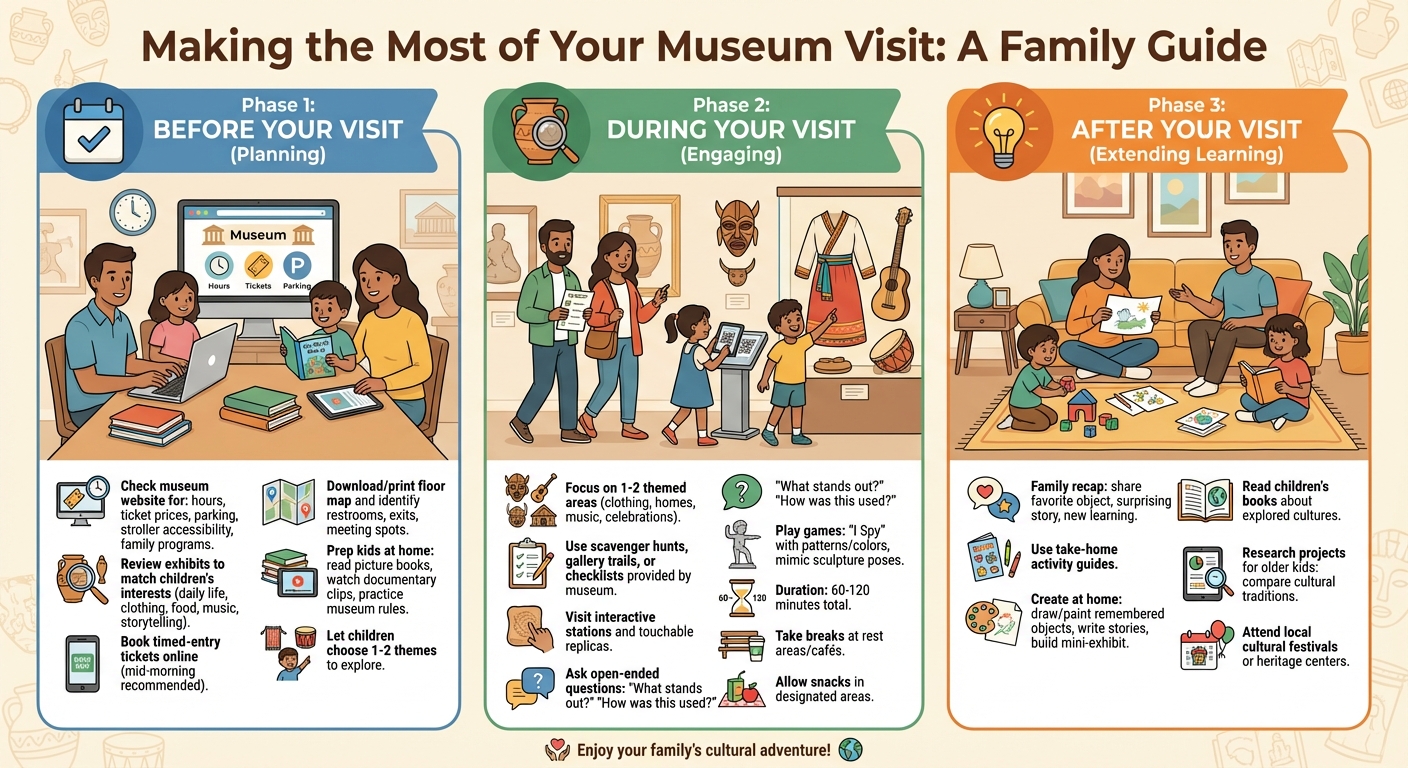
Before heading to the museum, take a little time to check out its website. You’ll find info on interactive exhibits, current themes, hours of operation, ticket prices (in USD), parking details, stroller accessibility, and family programs. Keep in mind that not every exhibit will suit all ages, so it’s worth reviewing what’s on display to find themes that match your kids’ interests – whether they’re into daily life, clothing, food, music, or storytelling from different parts of the world.
Many museums host family-friendly events like scavenger hunts, craft days, or open-house activities with music, making them perfect for first-time visits. If the museum offers timed-entry tickets, grab them online to skip the lines and choose a start time that works best for your family – mid-morning is often a good bet for younger kids. It’s also smart to print or download a floor map, note restroom and exit locations, and pick a simple meeting spot in case anyone gets separated.
To get your kids excited, talk about how museum objects tell cultural stories. For younger ones, you might read a picture book about a culture you’ll encounter or watch a short documentary clip together. Practice some "museum rules" at home, like walking instead of running, using indoor voices, and looking with their eyes unless touching is allowed. Many museums also offer online activity sheets, craft ideas, or at-home projects to help kids connect with what they’ll see. Let your children pick one or two themes or cultures to explore – that little bit of choice can make them feel more involved and curious.
With your prep work done, you’ll be ready to dive into the museum experience with your family.
Keeping Children Interested During the Visit
Once you’re at the museum, focus on making the visit fun and engaging by narrowing in on one or two themed areas. For instance, you could explore exhibits on clothing and adornment, homes and shelters, or music and celebrations from around the world. Many museums offer scavenger hunts, gallery trails, or checklists that turn the visit into a game and help kids zero in on specific objects. Take time to examine a few key items in each area, and let your children help decide where to go next.
Interactive stations, touchable replicas, and activity carts are often scattered throughout museums and are great for hands-on learning. Keep the conversation going by asking open-ended questions like, "What stands out to you about this object?" or "How do you think people used this?" You can also play simple games like “I Spy” with patterns, colors, or animals in art, or even mimic poses from sculptures to keep younger kids entertained.
To avoid burnout, plan to spend 60 to 120 minutes at the museum, breaking the visit into manageable chunks. Many family-friendly museums have rest areas or lounges where kids can grab a snack or relax. Since most galleries don’t allow food or drinks, check if the museum has a café or a designated picnic area for snack breaks. Even a quick story or a few quiet moments can help kids recharge and stay engaged.
Activities to Continue Learning After Your Visit
The learning doesn’t have to stop when you leave the museum. At home, gather the family for a quick recap. Ask everyone to share their favorite object, a surprising story, and something new they learned. This kind of reflection helps kids connect what they saw to their everyday lives and shifts them from just observing to actively thinking about their experience.
Many museums offer take-home activity guides to keep the exploration going. Your kids could draw or paint an object they remember, write a story from the perspective of someone who might have used it, or even create a mini-exhibit at home with handmade labels. Reading children’s books set in the cultures you explored can also help bridge the gap between the museum’s artifacts and relatable characters. For older kids, a small research project – like comparing how two cultures celebrate a coming-of-age ritual or prepare a key dish – can deepen their understanding and critical thinking.
You can also use the museum visit as a jumping-off point to explore local cultural festivals, heritage centers, or community events tied to the cultures you discovered. These experiences show kids that the traditions they saw in the museum are alive and evolving. By extending the experience this way, you’ll not only reinforce what they learned but also create lasting family memories.
sbb-itb-e918b7f
Best Ethnographic Museums for Families in the UK and Europe
Exploring these fascinating institutions highlights the varied and enriching experiences families can enjoy across the UK and Europe.
Pitt Rivers Museum, Oxford
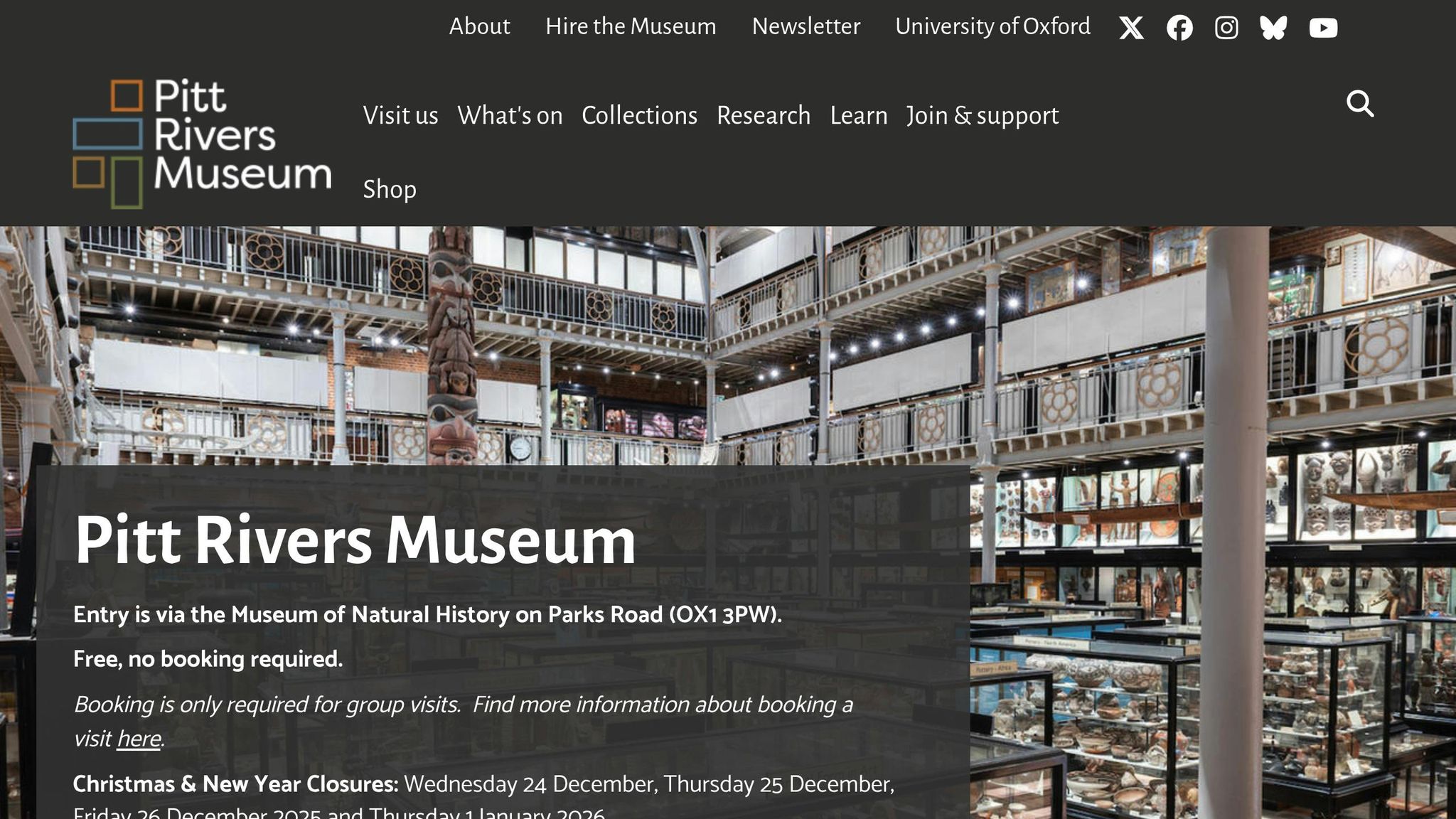
The Pitt Rivers Museum houses an impressive collection of over 500,000 ethnographic objects, all grouped by theme. This unique approach – organizing items like weapons, masks, and musical instruments by their purpose rather than their origin – creates a "treasure hunt" atmosphere that invites kids to explore how different cultures tackle everyday challenges. It’s an engaging way to spark conversations about topics like clothing, cooking, and celebrations.
Children are often captivated by the museum’s standout pieces, such as shrunken heads, intricate masks, and unusual musical instruments. Parents, meanwhile, appreciate the chance to compare cultural artifacts side by side. The museum also offers family trails and occasional object-handling sessions (usually on Saturday afternoons), where kids can touch replicas or sturdy artifacts under staff supervision. Admission is free, though a suggested donation of about $6 per adult is encouraged, making this a budget-friendly outing for families visiting Oxford. Plan to spend 1.5 to 3 hours here. Since the museum is located within the Oxford University Museum of Natural History, you can easily combine both visits and even take a break at nearby parks or cafés. However, keep in mind that the building is historic, so families with strollers should check accessibility details, including elevator availability and baby-changing facilities, ahead of time.
Museum of Witchcraft and Magic, Cornwall
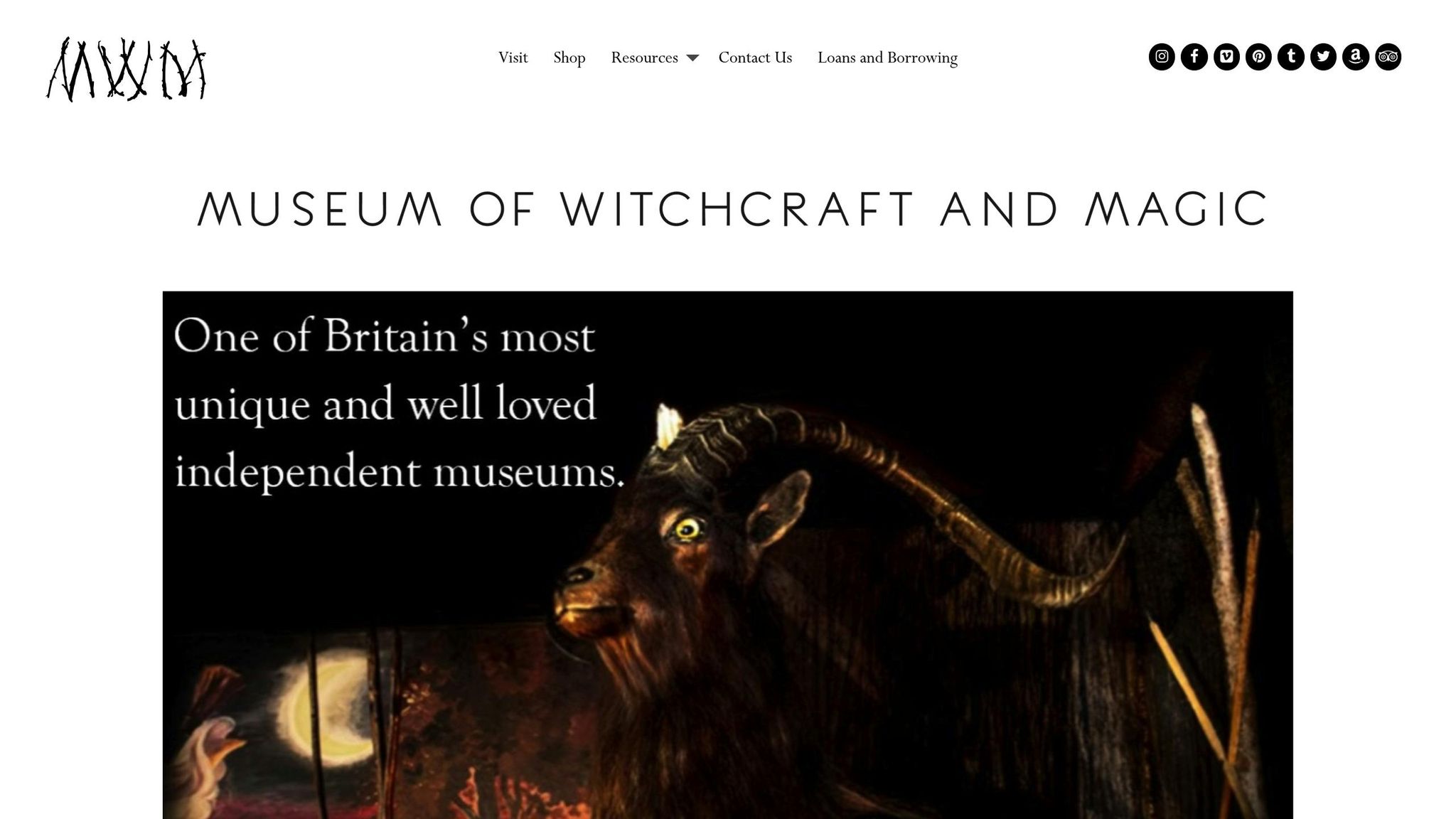
Nestled in the quaint coastal village of Boscastle, the Museum of Witchcraft and Magic delves into British folklore, beliefs, and rituals. With more than 3,000 artifacts – including spells, charms, and exhibits on witch trials – it’s a fascinating stop for families intrigued by myths, Halloween, or fantasy stories. That said, the museum’s mature themes make it better suited for older kids and teens. Parents with younger or sensitive children may want to review exhibit details online before visiting.
Admission costs about $20 for adults and $12 for children aged 5 to 16, while kids under 5 enter for free. A family ticket, covering two adults and up to three children, is roughly $55. The museum’s compact and visually intense layout means most visitors spend 1 to 2 hours exploring before heading to nearby attractions like the beach or harbor to reflect on what they’ve seen. Since Boscastle is in rural Cornwall, plan extra time for travel, narrow roads, and limited parking.
World Museum, Liverpool
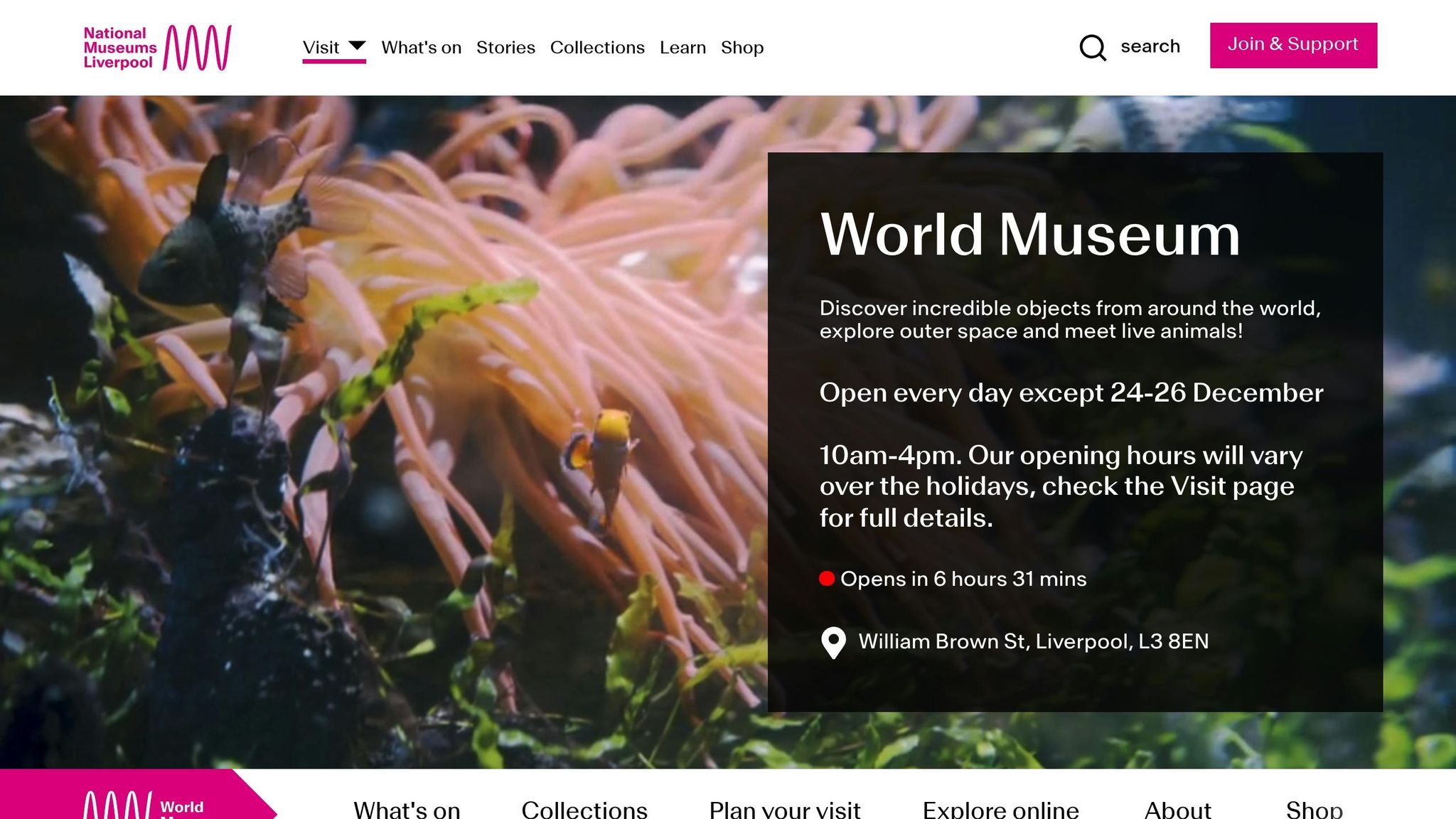
Liverpool’s World Museum offers something for everyone, blending ethnographic galleries with natural history and space exhibits. The World Cultures Gallery showcases artifacts from Africa, Asia, the Americas, and Oceania, including clothing, masks, tools, and religious items. This allows kids to explore traditions from around the globe in a single visit. The museum also ties these exhibits to broader topics like trade, migration, and Britain’s maritime history, making it a great complement to school lessons.
Families can enjoy a variety of programs, including workshops, craft sessions, and drop-in activities – especially on weekends and during school breaks. Kids can handle replica objects, try traditional crafts, or listen to cultural storytelling. Interactive exhibits, like touch screens and hands-on displays, add a playful element to the learning experience. Admission is free, making it an easy addition to your itinerary. Be sure to check the museum’s events calendar to find activities that match your child’s interests. You can also pair your visit with other Liverpool attractions for a full day of family fun.
Each of these museums offers its own distinctive experience, providing families with a chance to connect, learn, and explore together. For more travel tips and insights, check out Pigeon Pair and Me.
Conclusion
Ethnographic museums offer families something special: the opportunity to connect through discovery while fostering an appreciation for the broader world. When parents and children explore artifacts from various cultures – discussing their history and purpose – they create meaningful memories that extend far beyond an ordinary outing. These moments help children understand the world as a shared space, filled with diverse communities whose stories and contributions deserve recognition, including those of Indigenous peoples and immigrant groups featured in collections across the U.S., UK, and Europe.
A little planning can make these visits even more rewarding. Many museums provide family-friendly pricing, making them accessible for all. Even a short visit can ignite lasting curiosity. Instead of trying to see everything, focus on a few exhibits and involve your kids in deciding what to explore. Simple activities – like reading a picture book about a culture before your visit, choosing a favorite object during your trip, or cooking a meal inspired by what you’ve learned – can transform a museum outing into an ongoing learning adventure.
Museums themselves are changing, too. Many now work alongside descendant communities to share more accurate and inclusive histories. This creates opportunities for families to discuss topics like fairness and representation, showing children that museums – like people – can grow and adapt over time.
As these institutions embrace contemporary cultural perspectives, their relevance to families only deepens. Whether you’re visiting a local museum or a celebrated venue like the Pitt Rivers Museum, each trip is a step toward raising globally conscious kids. Choose a museum, explore its family programs, and plan your visit soon. There’s no perfect way to experience a museum – curiosity and conversation matter far more than seeing every exhibit. For more ideas on combining cultural exploration with family-friendly activities, visit Pigeon Pair and Me. Use these outings to enrich your knowledge and create treasured family memories.
FAQs
How do ethnographic museums bring families closer together?
Ethnographic museums offer families a chance to connect through shared experiences that ignite curiosity and encourage meaningful conversations about various cultures and traditions. Walking through exhibits together fosters teamwork and a sense of empathy, allowing family members to form deeper connections.
These museums also leave a lasting impression by blending fun with learning. From marveling at ancient artifacts to engaging in interactive activities, families can enjoy the excitement of discovering the world’s diverse cultural heritage together.
What should families keep in mind when visiting an ethnographic museum?
When visiting an ethnographic museum with your family, a little planning can go a long way in making the experience both enjoyable and enriching. Start by choosing exhibits that are respectful of diverse cultures and suitable for your children’s ages. Museums with interactive displays or hands-on activities are especially great for keeping younger kids engaged and curious.
Take a moment to see if the museum provides educational resources like family-friendly guides or workshops. These can add depth to your visit and help everyone better connect with the exhibits. Lastly, don’t forget to check practical details – like whether the museum is accessible, has stroller-friendly spaces, and offers nearby amenities – to make the outing smooth and stress-free for the whole family.
How do ethnographic museums help families understand and appreciate different cultures?
Ethnographic museums offer families a chance to dive into the vibrant traditions, histories, and everyday lives of various cultures. With captivating exhibits and artifacts, they spark curiosity and encourage understanding by showcasing both the distinctiveness and common threads that connect people across the globe.
By sharing stories and viewpoints from diverse communities, these museums promote an appreciation for cultural diversity and help families form deeper connections to the world and its many traditions.