10 Outdoor Heritage Sites in Europe for Families

Europe offers a mix of breathtaking outdoor heritage sites perfect for family adventures. From Ireland’s Cliffs of Moher to Greece’s Acropolis, these destinations combine history, nature, and activities for all ages. Families can explore medieval castles, hike scenic trails, or marvel at natural wonders. Each site includes kid-friendly features like interactive exhibits, easy trails, and picnic spots. Here’s a quick overview of what to expect:
- Cliffs of Moher, Ireland: Stunning coastal views, seabird colonies, and boat tours.
- Edinburgh Castle, Scotland: Historic fortress with royal treasures and panoramic city views.
- Plitvice Lakes, Croatia: Turquoise lakes, waterfalls, and wooden boardwalks.
- Pompeii, Italy: Ancient Roman ruins preserved by volcanic ash.
- Neuschwanstein Castle, Germany: Fairy-tale castle with nearby hiking and lakes.
- Sintra, Portugal: Colorful palaces, forest trails, and medieval ruins.
- Lake Bled, Slovenia: Row to a church island, hike around the lake, or visit Triglav National Park.
- Bay of Kotor, Montenegro: Medieval towns, calm waters, and scenic hikes.
- Acropolis, Greece: Iconic ancient ruins paired with a peaceful hilltop retreat.
- Giant’s Causeway, Northern Ireland: Unique basalt columns and coastal trails.
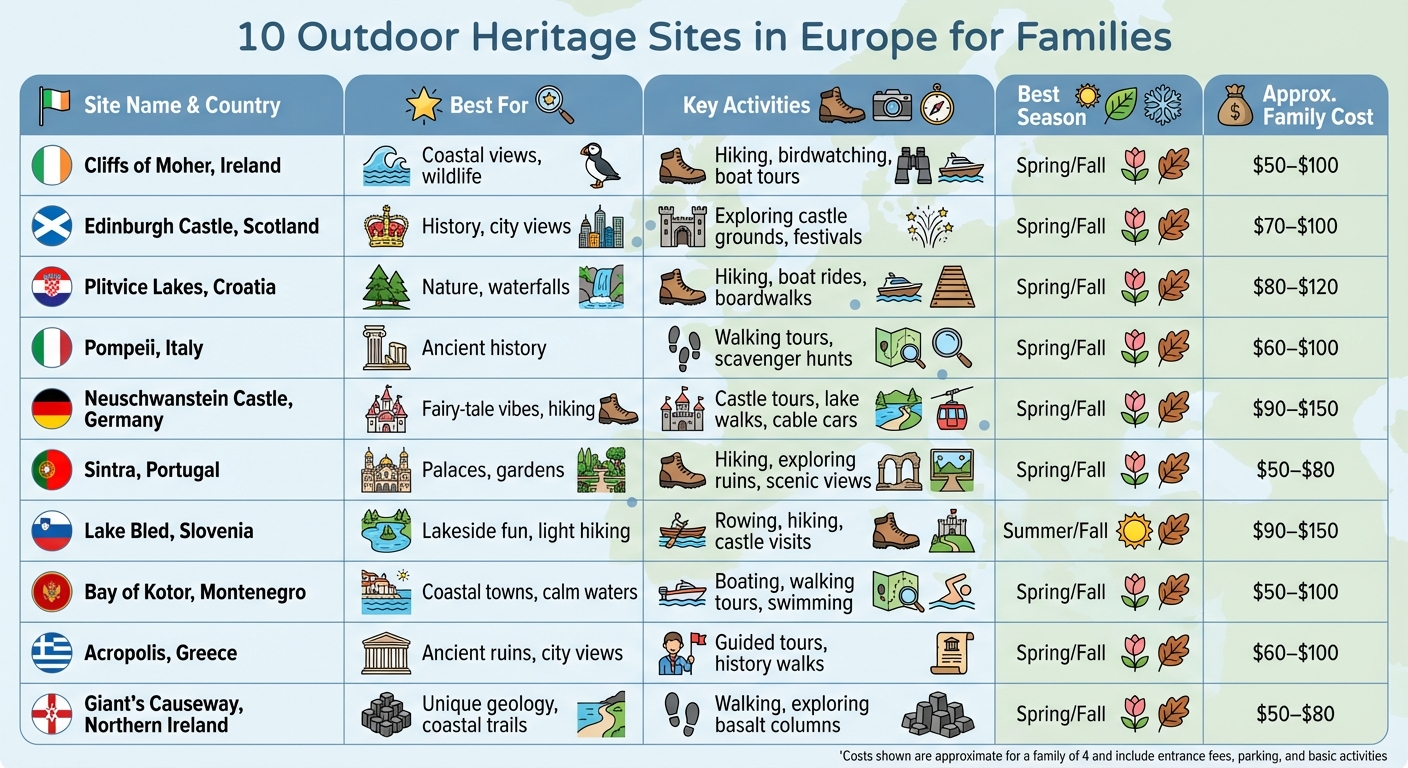
Quick Comparison
| Site | Best for | Key Activities | Season | Approx. Cost (Family) |
|---|---|---|---|---|
| Cliffs of Moher | Coastal views, wildlife | Hiking, birdwatching, boat tours | Spring/Fall | $50–$100 |
| Edinburgh Castle | History, city views | Exploring castle grounds, festivals | Spring/Fall | $70–$100 |
| Plitvice Lakes | Nature, waterfalls | Hiking, boat rides, boardwalks | Spring/Fall | $80–$120 |
| Pompeii | Ancient history | Walking tours, scavenger hunts | Spring/Fall | $60–$100 |
| Neuschwanstein Castle | Fairy-tale vibes, hiking | Castle tours, lake walks, cable cars | Spring/Fall | $90–$150 |
| Sintra | Palaces, gardens | Hiking, exploring ruins, scenic views | Spring/Fall | $50–$80 |
| Lake Bled | Lakeside fun, light hiking | Rowing, hiking, castle visits | Summer/Fall | $90–$150 |
| Bay of Kotor | Coastal towns, calm waters | Boating, walking tours, swimming | Spring/Fall | $50–$100 |
| Acropolis | Ancient ruins, city views | Guided tours, history walks | Spring/Fall | $60–$100 |
| Giant’s Causeway | Unique geology, coastal trails | Walking, exploring basalt columns | Spring/Fall | $50–$80 |
To make the most of your trip, visit in spring or fall for mild weather and fewer crowds. Pack essentials like sturdy shoes, rain gear, and snacks, and plan for 4–6 hours per site. These destinations offer an unforgettable blend of history, nature, and family fun.
Quick Comparison Guide: 10 European Heritage Sites for Families
How to Use This Guide
This guide is your companion to exploring Europe’s outdoor heritage sites with your family, offering practical tips to make each visit safe, enjoyable, and stress-free. It focuses on family-friendly features like safety, walkability, and essential amenities. Each destination includes clearly marked trails, well-maintained visitor facilities, and flexible route options – perfect for adjusting to your family’s energy levels. Many spots also feature rest areas and loop trails, making them ideal for little adventurers.
To simplify your planning, every entry in this guide follows a consistent format. You’ll find details about the site’s location, heritage significance, a brief, kid-friendly historical overview, a list of outdoor activities, and family accessibility information. Accessibility notes cover terrain type, difficulty, and available amenities like restrooms, food options, and playgrounds. Practical tips, such as the best times to visit, recommended duration, weather considerations, and pricing, are also included. Measurements are presented in both imperial and metric units (e.g., miles with kilometers, feet with meters), and temperatures are listed in Fahrenheit followed by Celsius. Prices are given in local currency with approximate U.S. dollar conversions for convenience.
For locations that involve longer hikes, numerous stairs, or extended travel times, the guide highlights these challenges and recommends suitable age ranges or fitness levels. When there are multiple route options – like a gentle lakeside walk versus a full-day hike – the guide breaks down each choice, helping you pick the one that best fits your family’s schedule and energy for the day.
1. Cliffs of Moher, Ireland
Location: County Clare, west coast of Ireland
Heritage Significance: Part of the Burren and Cliffs of Moher UNESCO Global Geopark
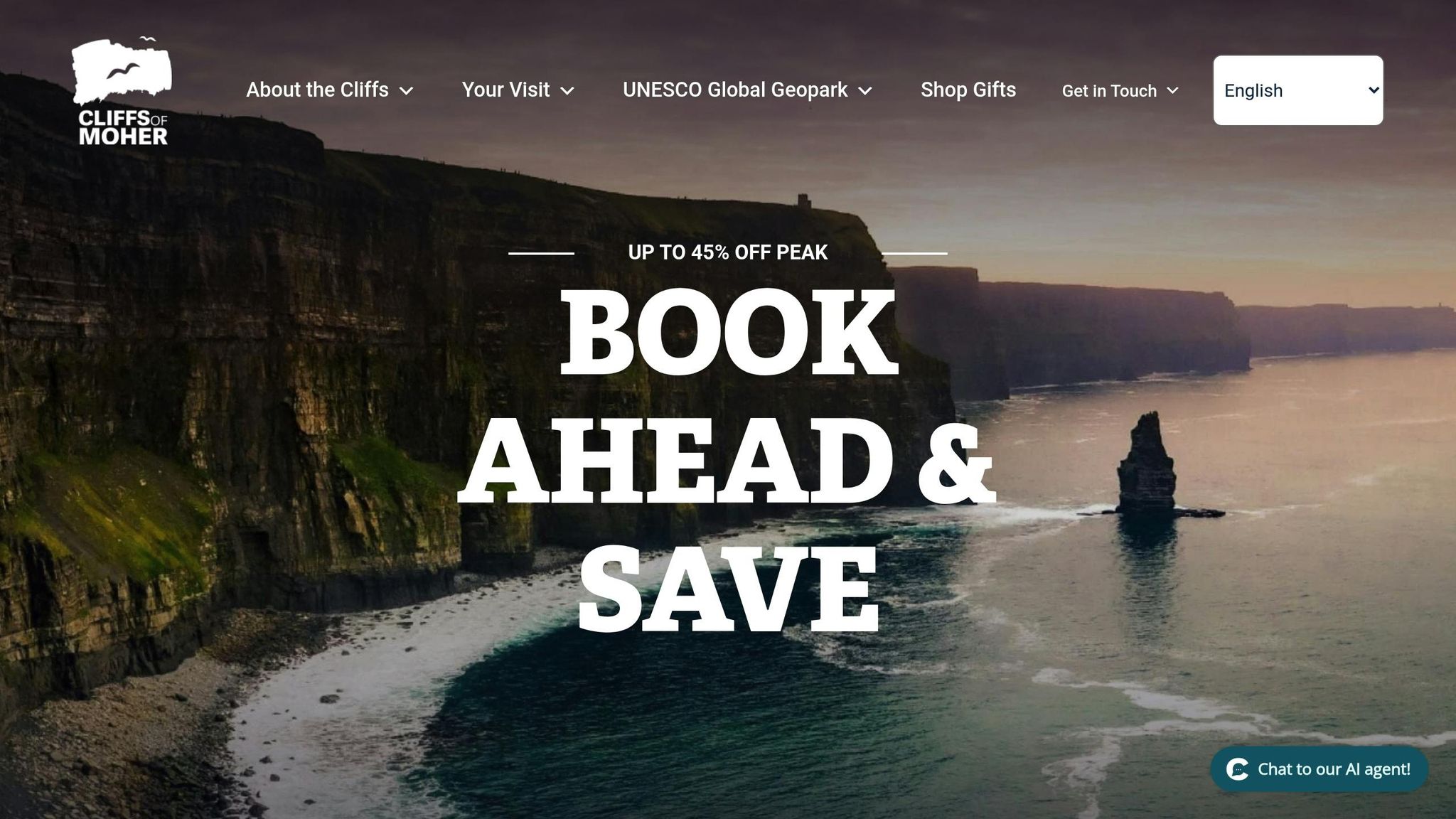
Stretching 5 miles (8 km) along Ireland’s stunning Atlantic coast, the Cliffs of Moher rise dramatically to 702 feet (214 m) at their highest point near O’Brien’s Tower. These cliffs, formed from shale and sandstone around 320 million years ago, are part of a UNESCO Global Geopark and draw 1.5–1.6 million visitors annually. If they look familiar, it might be because they’ve appeared in several well-known films, making them a true natural icon.
Families will find plenty to explore, starting with the paved pathways that wind around the visitor center and lead to viewing platforms offering jaw-dropping views of the Atlantic. Bring binoculars to spot the bustling seabird colonies – home to about 30,000 breeding pairs from over 20 species, especially active during the nesting season from April to July. Inside the underground visitor center, interactive exhibits dive into the cliffs’ geology and local wildlife, keeping kids entertained and engaged. For a different perspective, hop on a boat tour from nearby Doolin for a sea-level view of the cliffs. Tickets range from $22–$33 per adult, with discounts for kids.
Accessibility:
The main visitor area is well-equipped with paved paths, ramps, and accessible restrooms, making it easy to navigate with strollers. However, the Cliffs of Moher Coastal Walk has uneven terrain and stairs, so a child carrier is a better option for longer hikes with toddlers. Due to strong winds and slippery edges, it’s important to stick to fenced paths and keep a close eye on little ones.
Best Time to Visit:
Spring (March–May) and fall (September–October) are ideal for a visit, with mild temperatures around 50–60°F (10–16°C), fewer crowds, and colorful wildflowers in bloom. Summer offers long daylight hours but also brings larger crowds and a higher chance of rain, while winter features dramatic waves and strong winds but shorter days. Arriving early in the morning or later in the afternoon helps avoid the busiest times when tour buses arrive. Don’t forget to pack rain gear and layers, as it’s typically cooler and windier on the cliffs than inland.
Practical Details:
To make your visit smoother, consider buying tickets online, where discounts are often available. Family packages can save money, and many visitors note that children often get free entry with an adult ticket (check the latest policies to confirm). Parking costs about $8 per vehicle, and you can either take a shuttle or enjoy a 20–30 minute walk to the visitor center. On-site amenities include restrooms, a café, and a gift shop. Plan to spend 2–3 hours exploring the main attractions, and allow extra time if you’re taking a boat tour or venturing on longer walks.
2. Edinburgh Castle and Old Town, Scotland

Location: Edinburgh, Scotland
Heritage Significance: Edinburgh Castle (12th-century royal residence and fortress); Old Town UNESCO World Heritage Site since 1995
Sitting proudly atop Castle Rock, an ancient volcanic formation inhabited since the Iron Age, Edinburgh Castle dominates the city’s skyline and draws over 2 million visitors each year, making it Scotland’s most popular paid attraction. Within its historic walls, you’ll find treasures like the Scottish Crown Jewels (Honours of Scotland), the Stone of Destiny, and St. Margaret’s Chapel, the oldest surviving building in Edinburgh, dating back to the 12th century. Nearby, the Old Town, designated as a UNESCO World Heritage Site, stretches out along the iconic Royal Mile. This historic street, about 1 mile long, connects the castle to the Palace of Holyroodhouse and is lined with medieval closes (narrow alleys), towering 17th-18th century tenements, and landmarks like St. Giles’ Cathedral.
The castle and Old Town aren’t just about history – they offer plenty of activities to keep the whole family entertained. Explore the castle’s sprawling courtyards and ramparts for breathtaking views of the city and the Firth of Forth. Afterward, wander down the cobblestone Royal Mile, where street performers and tucked-away alleys provide endless discoveries. Families will love the One O’Clock Gun, a tradition since 1861 that fires almost daily (except Sundays and some holidays), delighting kids and adults alike. For a change of pace, head to Princes Street Gardens for a picnic or take a short drive to Arthur’s Seat in Holyrood Park. This extinct volcano offers panoramic views, perfect for families with kids aged 6 and older. Interactive exhibits and audio guides at the castle also keep young history enthusiasts engaged.
Accessibility:
The site is family-friendly but does come with some challenges. Shuttle buses help with strollers and wheelchairs, though steep stairs and cobblestones in the upper castle areas may require a baby carrier. The Royal Mile is mostly pedestrian-friendly, with ramps in many areas, but some narrow wynds (passages) have uneven surfaces. While most viewpoints have high railings, it’s essential to supervise children near the battlements and cliff edges on Castle Rock, especially during busy times.
Best Time to Visit:
For pleasant weather and manageable crowds, plan your trip during May through June or September through October, when temperatures hover around 50–65°F, and daylight hours are long enough for exploring. Summer (July–August) brings lively festivals like the Royal Edinburgh Military Tattoo, but you’ll also encounter peak crowds and occasional rain on the castle’s exposed ramparts. Winter offers the magic of Hogmanay (New Year’s) celebrations, with fireworks over the castle, but expect colder temperatures (30–45°F) and shorter days. Arriving at the castle when it opens (around 9:00 AM) helps you avoid the busiest times.
Practical Details:
Planning ahead makes your visit smooth and enjoyable. Book your tickets online to secure your spot: adult admission costs about $25 (£19–£23), while tickets for children ages 7–15 range from $13–$16 (£10–£13). Kids under 5 typically enter for free, and family tickets (for 2 adults and 2–3 children) offer savings at around $57 (£44). Allow 2–3 hours to explore the castle and another 1–2 hours to stroll through the Old Town. Edinburgh Airport is just a 20-minute taxi ride away (around $25), or you can take the train to Waverley Station, which is a 10-minute walk from the Royal Mile. Be sure to pack layers, waterproof clothing, and snacks, as on-site cafés charge about $10 per meal.
3. Plitvice Lakes National Park, Croatia
Location: Central Croatia (between Zagreb and Zadar)
Heritage Significance: Croatia’s first national park (established in 1949); recognized as a UNESCO World Heritage Site in 1979 for its remarkable travertine barriers and cascading lake system.
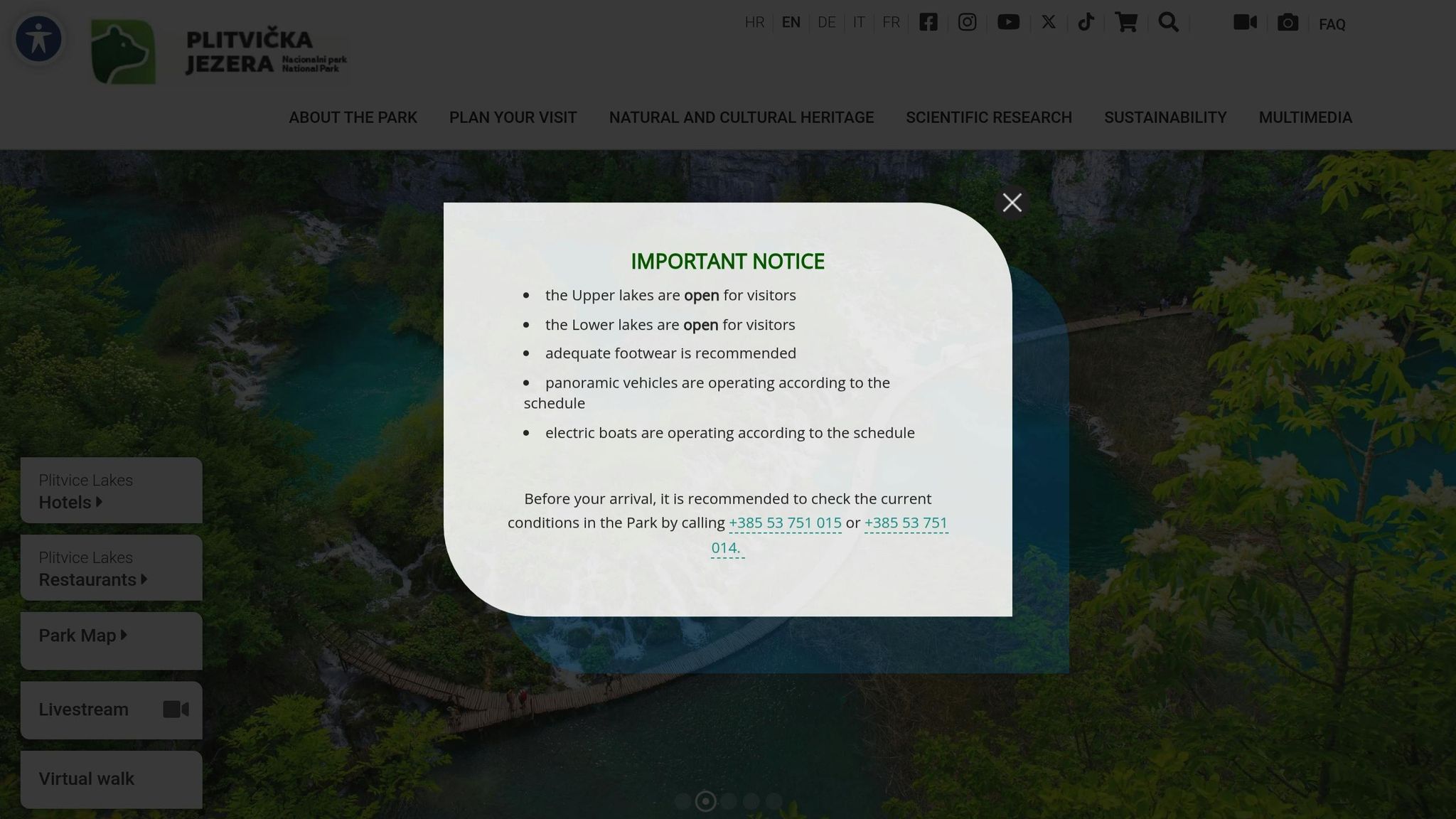
Spanning 114 square miles, Plitvice Lakes National Park is home to 16 stunning turquoise lakes connected by cascading waterfalls and scenic wooden boardwalks. The park’s UNESCO designation highlights its ongoing geological processes, where mineral-rich waters continuously form travertine barriers, creating new waterfalls and reshaping the landscape. While the Veliki Slap (Big Waterfall) – Croatia’s tallest at 255 feet – is a major highlight, the park’s charm lies in the ever-changing hues of its lakes, shifting from emerald green to deep blue depending on the minerals, organisms, and sunlight. With over 1 million visitors annually, it’s one of Croatia’s top attractions, conveniently located just a 2–2.5 hour drive from Zagreb.
Families can explore the park through a mix of well-marked walking trails, electric boat rides across Lake Kozjak, and panoramic shuttle buses, all included in the admission fee. Many family-friendly routes focus on the Lower Lakes (Donja jezera), which offer shorter, flatter paths and dramatic waterfalls. For those seeking more adventure, the Upper Lakes feature longer trails and steeper climbs. Most family visits last 4–6 hours, covering 2–4 miles of trails, depending on the chosen route. To make the visit more engaging for kids, turn it into a nature scavenger hunt – spot fish in the crystal-clear waters, count waterfalls, and listen for birds in the lush forests.
Accessibility:
The park’s wooden boardwalks make it manageable for school-age kids who can walk on their own, but strollers may struggle with stairs, narrow paths, and uneven surfaces. Many families prefer baby carriers or hiking backpacks for toddlers, using lightweight strollers only on the flatter sections of the Lower Lakes. Closed-toe shoes with good grip are essential, as the boardwalks can be slippery. Keep in mind that swimming is strictly prohibited to protect the delicate ecosystem, which might disappoint kids hoping for a dip. Restrooms and snack kiosks are available at main entrances and some trail junctions, so plan bathroom stops ahead if visiting with young children.
Best Time to Visit:
The ideal times to visit are late spring (May–June) and early fall (September–early October), when temperatures range from 50–70°F, waterfalls are at their best, and crowds are more manageable. Summer (July–August) brings warmer weather, reaching up to 85°F, but also heavy crowds, especially around viewpoints and narrow boardwalks. If visiting in peak season, arrive right at opening (around 7:00 a.m.) or in the late afternoon to avoid the busiest times. Winter (December–March) offers a magical experience with snow and partially frozen waterfalls, though temperatures drop to 20–40°F, and some trails and services may be unavailable. Weekdays generally have fewer visitors than weekends, regardless of the season.
Practical Details:
During the high season, it’s best to book time-slot tickets online in advance to avoid long waits or sellouts. Entry fees vary by season: high-season adult tickets cost approximately $35–$40, while low-season prices drop to $10–$15. Children aged 7–18 pay about half the adult price, and kids under 7 enter for free. Tickets include access to boat and shuttle rides. Parking fees typically range from $2–$3 per hour for a full-day visit. The park is about 2–3 hours by bus from Zagreb, with round-trip fares costing around $10–$20. While many visitors opt for a day trip, staying overnight in nearby Plitvička Jezera village can make the experience more relaxed.
Pack essentials like water, snacks, sunscreen, and rain gear, and choose shorter, family-friendly routes such as Program A, B, E, or F. These combine the Lower Lakes with a boat ride and can be completed in 2–4 hours, making them ideal for kids. Once you’ve explored this natural wonder, consider visiting another European destination that blends history and outdoor adventure.
4. Pompeii Archaeological Park, Italy
Location: Near Naples, in the Campania region of southern Italy
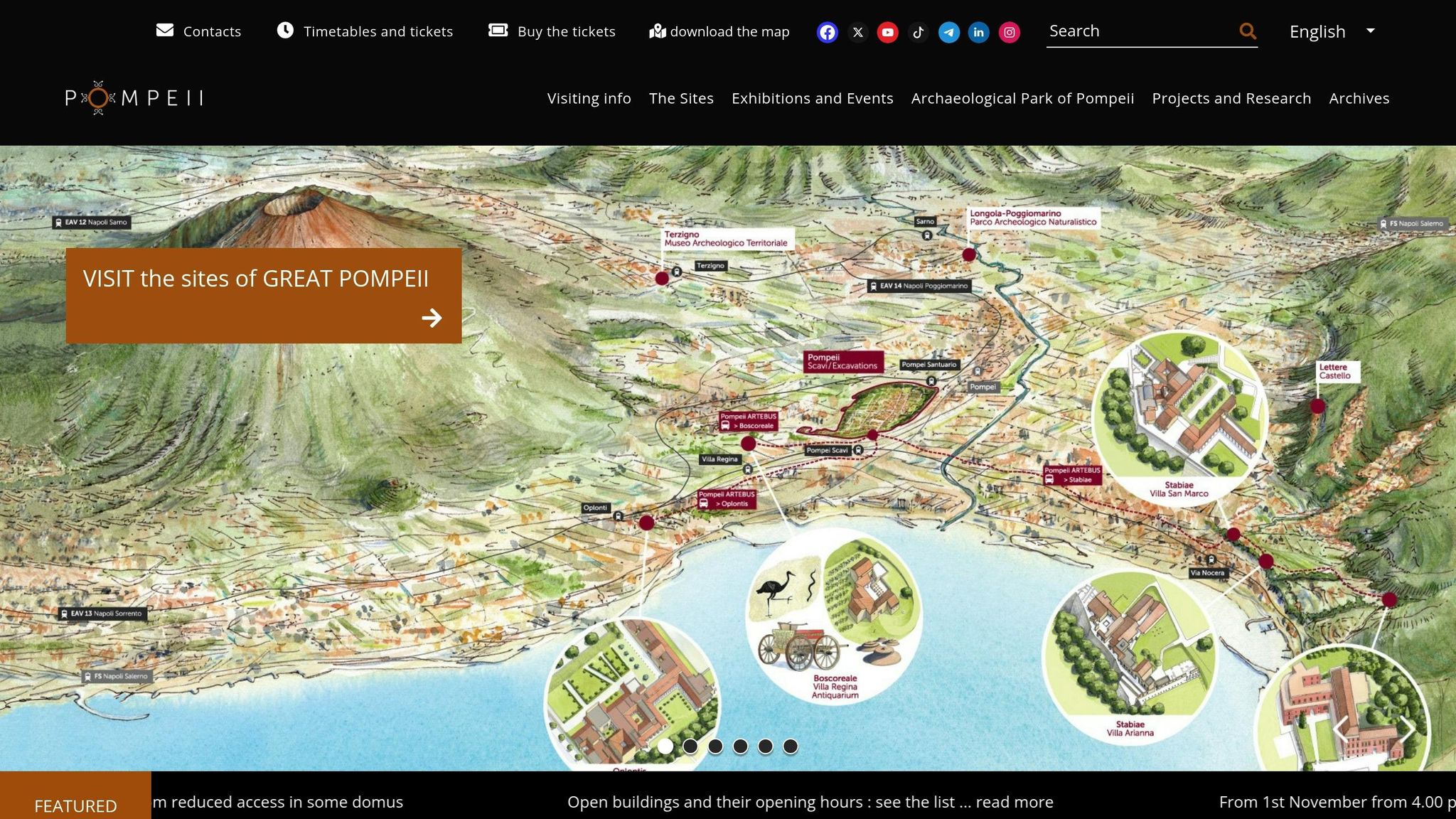
Heritage Significance: Once a bustling Roman city, Pompeii was buried under volcanic ash after Mount Vesuvius erupted in 79 CE. Recognized as a UNESCO World Heritage Site in 1997, it offers a rare glimpse into Roman urban life, showcasing preserved villas, temples, streets, and artistic treasures like frescoes and mosaics.
Spanning about 170 acres, Pompeii Archaeological Park is like stepping into a time capsule of ancient Rome. Over 150 structures remain remarkably intact, from bakeries with their original ovens to public bathhouses, an amphitheater, and homes adorned with intricate frescoes. For families, it’s a chance to wander streets marked by ancient cart tracks and explore gladiator barracks, sparking curiosity about life in Roman times. The park draws over 4 million visitors annually, with families making up about 30% of the crowd. Its mix of history and open-air exploration makes it an engaging destination for all ages.
Parents often turn the visit into a fun experience by creating scavenger hunts for mosaics and frescoes or using an audioguide (around $8) or app designed for families to bring ancient stories to life. School-age children and teens tend to appreciate the historical depth, while younger kids enjoy the open spaces to roam.
Accessibility:
Navigating Pompeii can be both rewarding and challenging. The main entrance at Piazza Esedra offers wheelchair-accessible paths for the first 1,000 meters (about 3,280 feet). However, much of the site features uneven cobblestones, steps, and gravel paths. Families with toddlers might find baby carriers or hiking backpacks more practical than strollers, and flatter areas like the Forum and Marina Gate are easier to explore. Older kids who can walk independently will manage the terrain better.
Facilities include restrooms, a few cafes where you can grab pizza or sandwiches for $5–$10, and picnic spots for those who prefer to bring their own food. Closed-toe shoes with good grip are a must since the ancient stones can be slippery. During the summer, when temperatures can soar to 95°F (35°C), staying hydrated, wearing sunscreen, and bringing a hat are essential. These tips can help families focus on the historical wonders without unnecessary distractions.
Best Time to Visit:
Spring (April–June) and fall (September–October) are ideal, with pleasant temperatures ranging from 60–75°F (15–24°C) and fewer crowds. If visiting in July or August, arrive at the 9:00 a.m. opening to avoid the worst of the heat and crowds. Winter (November–March) is quieter and often easier on the budget, though shorter days, cooler weather, and occasional rain may limit extended outdoor activities.
Practical Details:
Adult tickets cost about $20 (€19), while children under 18 can enter for free. The park is open daily from 9:00 a.m. to 7:00 p.m. (last entry at 5:30 p.m.) between April and October, with shorter hours during winter. Getting there is straightforward: take the Circumvesuviana train from Naples, a 20-minute ride costing about $3 (€3) round-trip. The Pompeii Scavi station is just a 5-minute walk from the park entrance.
For a more complete family trip, consider pairing your visit with Mount Vesuvius National Park, where you can hike to the crater’s edge, or explore the charming towns of the Amalfi Coast. It’s a perfect blend of history and natural beauty that makes for an unforgettable adventure.
5. Neuschwanstein Castle and Bavarian Alps, Germany

Location: Near Füssen in Bavaria, southern Germany
Heritage Significance:
Neuschwanstein Castle, commissioned by King Ludwig II of Bavaria as his dream-like retreat, is one of Germany’s most iconic landmarks. It famously inspired Disney’s Sleeping Beauty Castle and attracts over 1.5 million visitors each year. Its enchanting history makes it a magical destination for families, blending a fairy-tale atmosphere with engaging outdoor activities that appeal to all ages.
Set against the stunning backdrop of the Bavarian Alps, the castle is surrounded by opportunities for family-friendly exploration. Easy hiking trails, like the Alpsee Lake loop (approximately 1.5 miles), are perfect for casual strolls, and Marienbrücke (Mary’s Bridge), just a 10-minute walk from the castle, offers breathtaking views of Neuschwanstein. Nearby attractions such as Hohenschwangau Castle and the Tegelberg cable car add to the adventure, while Forggensee Lake becomes a hub for swimming and picnicking during the summer. In winter, the area transforms into a snowy paradise, complete with festive markets and sledding, making it a year-round destination where history and nature come together seamlessly.
Accessibility:
Reaching Neuschwanstein is straightforward. You can travel to Füssen by train or car, and from there, head to the ticket center in Hohenschwangau village. The uphill walk to the castle entrance takes about 30–40 minutes – manageable for school-age kids but challenging with strollers. For an easier ascent, families can take a shuttle bus ($3.50 one-way) or opt for a horse-drawn carriage ($25–30 round-trip). Inside the castle, strollers aren’t allowed, and the tour includes 165 steps, so baby carriers are a better option. However, the paved paths around the nearby lakes are more stroller-friendly. Parking is available for roughly $10 per day, and restrooms are located at the ticket center.
Best Time to Visit:
Late spring (May–June) and early fall (September) are ideal, offering mild temperatures – ranging from 50–70°F – along with blooming flowers or vibrant fall foliage and fewer crowds. July and August bring longer days and warmer weather (65–80°F), but the area sees peak visitor numbers, with up to 6,000–8,000 people daily and higher costs. Winter (December–February) turns the landscape into a snowy wonderland, complete with Christmas markets, though temperatures drop to 25–40°F, and some trails may close due to snow. Arriving early (8:00–9:00 a.m.) or later in the afternoon helps you avoid the busiest times.
Practical Details:
Adult tickets cost around $23, while children aged 6–17 pay about $21, and kids under 6 can enter for free. Family tickets for two adults and children typically range from $60–70. To secure your spot, book timed tickets online 2–3 days in advance. Guided tours last about 35 minutes and highlight the castle’s opulent interior. Be sure to bring layers, sturdy shoes with good traction, snacks, and water to ensure a comfortable visit. For extra fun, consider adding a cable car ride or renting bikes to explore the picturesque surroundings.
A trip to Neuschwanstein, paired with nearby attractions, offers an unforgettable mix of history, natural beauty, and family-friendly adventures.
6. Sintra Cultural Landscape, Portugal
Location: 18 miles northwest of Lisbon, Portugal
Heritage Significance:
Sintra’s Cultural Landscape was recognized as a UNESCO World Heritage Site in 1995, celebrated as the first hub of European Romantic architecture. This picturesque area combines 19th-century palaces, lush gardens, and ancient ruins, all nestled within the misty, forested hills. Highlights include the colorful Pena Palace, the medieval Moorish Castle (dating back to the 8th–9th centuries), and the enchanting Quinta da Regaleira, famous for its spiral-shaped Initiation Wells. Spanning nearly 500 acres, Pena Park is home to over 500 tree species from across the globe, such as giant sequoias and ginkgos. This captivating mix of natural beauty and historical architecture sparks curiosity in children while offering glimpses into royal history and medieval fortifications.
In 2018, the site welcomed over 3 million visitors, with Pena Palace alone attracting 1.9 million. Families can enjoy hiking trails that connect the historic landmarks, explore hidden grottos and tunnels, climb castle walls for sweeping Atlantic views, and picnic in beautifully landscaped gardens – all just a short day trip from Lisbon. The 4.3-mile loop around Pena Palace is a manageable hike for school-aged kids, while the adventurous walls of the Moorish Castle are perfect for older children. Next, we’ll look at how to make exploring Sintra’s steep terrain easier for families.
Accessibility:
Getting to Sintra is straightforward. A 40-minute suburban train ride from Lisbon’s Rossio Station costs about $5 for a round trip per adult, with children paying half-price. From Sintra station, the 434 tourist bus (all-day pass: $4–$6) is the best way to reach the hilltop attractions, as the steep, winding roads can be challenging with young kids. Parking near the monuments is scarce, so buses, tuk-tuks, or taxis are better options. Entry fees vary: Pena Palace costs around $15 for adults and $12 for children, and multi-site passes through Parques de Sintra offer discounts if you plan to visit several landmarks. Baby carriers are more practical than strollers due to cobblestones, stairs, and narrow paths, though Pena Park’s main trails are stroller-friendly. Facilities like restrooms and cafés are available at major sites. However, at places like the Moorish Castle ramparts and Quinta da Regaleira’s wells, keep a close eye on kids as railings can be low and pathways slippery.
Best Time to Visit:
Spring (April–June) and fall (September–October) are ideal for family visits, with pleasant temperatures ranging from 55–75°F, blooming gardens, and smaller crowds. Summer (July–August) brings warmer weather (70–85°F) and extended daylight hours, but also peak tourist numbers – Pena Palace now uses timed entry tickets to manage the influx. Arriving early (around 9:00 a.m.) or later in the afternoon helps you avoid the busiest times. Winter (December–February) is cooler (45–60°F) and wetter but quieter, with festive lights adding a magical touch. Sintra’s unique microclimate often makes it cooler and mistier than Lisbon, so pack layers and a light rain jacket no matter the season.
Practical Details:
To avoid long lines, book timed tickets online 2–3 days in advance. Most families find it more enjoyable to focus on either Pena Palace & Park plus the Moorish Castle (5–6 hours total) or Quinta da Regaleira and Sintra’s historic center (4–5 hours) rather than trying to see everything in one day. Expect to spend $50–80 per family. Keep kids engaged with activities like treasure hunts to find hidden tunnels or learn about knight legends. Wear sturdy shoes for uneven paths, and bring sunscreen, water, and snacks for a forest picnic. After exploring, wander Sintra’s charming streets to try local pastries like travesseiros and queijadas. Many families also add a visit to nearby Cascais for some beach time, creating a perfect mix of history and relaxation.
sbb-itb-e918b7f
7. Lake Bled and Triglav National Park, Slovenia
Location:
Nestled in northwestern Slovenia, Lake Bled is just an hour’s ride by car or bus from Ljubljana.
Heritage Significance:
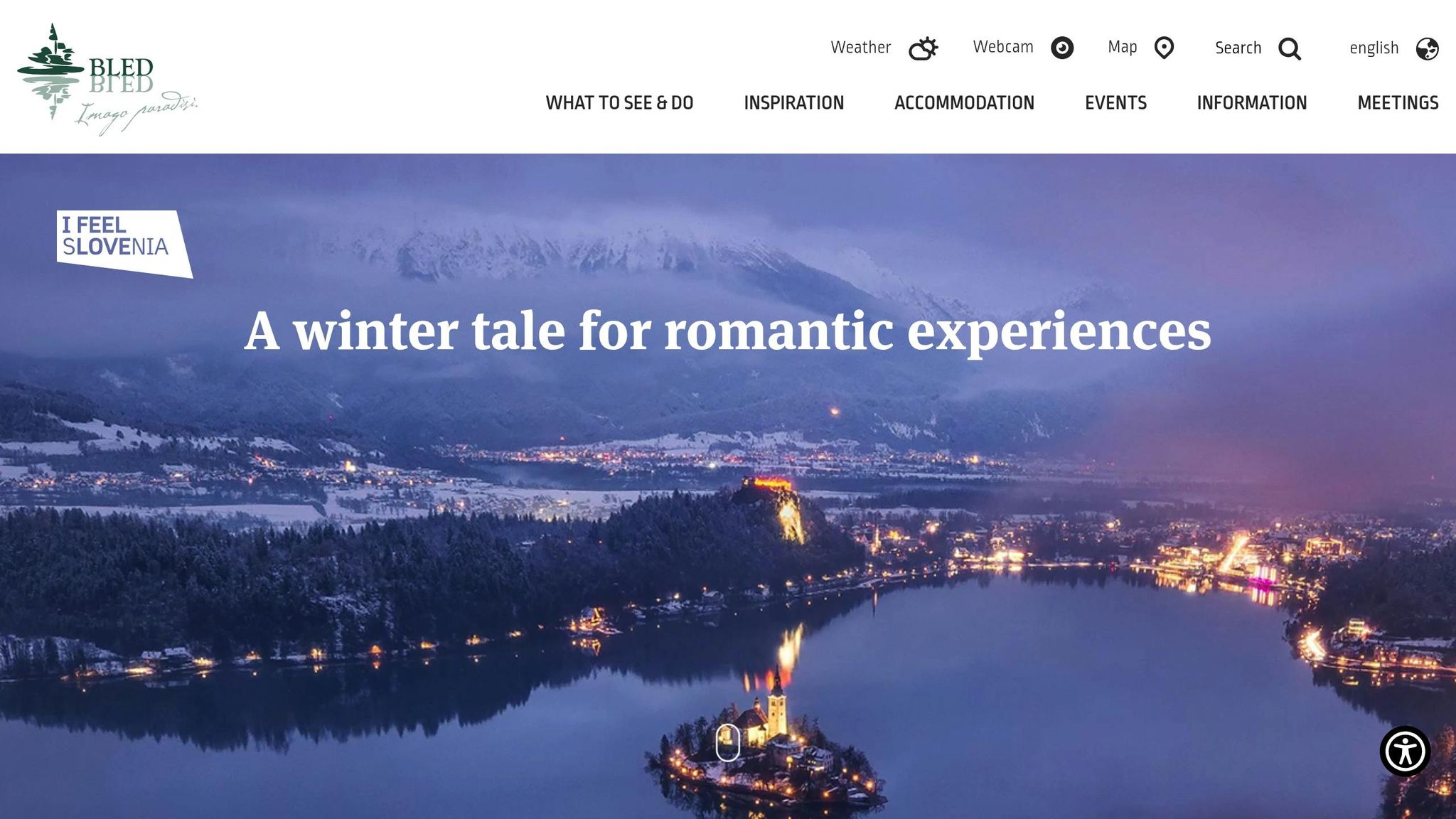
Lake Bled is a treasure trove of history and natural beauty. At its heart lies a 17th-century church perched on an island, built on what was once a pilgrimage site. Overlooking the lake is Bled Castle, an 11th-century fortress housing a museum filled with medieval artifacts. Surrounding this picturesque scene is Triglav National Park, Slovenia’s only national park, established in 1981. Spanning 340 square miles, it was recognized as a UNESCO biosphere reserve in 1999 for its rich Alpine ecosystems. The park is named after Mount Triglav, Slovenia’s tallest peak, standing at an impressive 9,396 feet. Visitors can explore its ancient karst landscapes and delve into the region’s alpine traditions. Adding a touch of whimsy, local legend claims that ringing the church bell on the island will make your wishes come true. Each year, around 25,000 visitors come to soak in the serene blend of history, culture, and nature.
Families visiting Lake Bled and Triglav National Park will find plenty of activities to enjoy. For a memorable experience, you can row a traditional pletna boat to the island – tickets cost $17 per adult and $11 per child (free for kids under six). Once there, climb the stone steps and ring the iconic wishing bell. A leisurely 3.7-mile trail loops around the lake, taking about 1–2 hours to complete. It’s partially stroller-friendly and dotted with swimming spots, perfect for those warm summer days when temperatures hover between 70–80°F. Within the park, easy hikes like the path to the Mala Tičarica viewpoint or the Vintgar Gorge boardwalk (entry $13–22 per adult) allow visitors to enjoy stunning natural scenery and spot wildlife. For more variety, families can rent bikes ($16–27 per day) or try paddleboarding. Nearby Lake Bohinj even offers alpine slides for an extra dose of fun.
Accessibility:
Reaching Lake Bled is straightforward – just an hour by bus or car from Ljubljana. Parking is available near the lake, and entry to the lake area is free. Visiting Bled Castle costs $16 for adults and $11 for children (ages 6–15), while Triglav National Park itself has no entry fee (though some attractions like gorges and cable cars range from $11–25 per person). Families with strollers will appreciate the lakeside paths, though the island’s steps may require carrying younger children or using baby carriers. Throughout the park, you’ll find restrooms, picnic areas, and nature centers offering kid-friendly programs in English. Slovenia’s reputation for safety, combined with on-site rescue services, makes it a stress-free destination for families.
Best Time to Visit:
The season you choose can shape your experience. Summer (June–August) is ideal for swimming and boating, with warm temperatures between 70–80°F, though it’s also the busiest time – so booking pletna boats in advance is wise. May and September bring cooler weather (50–70°F) and fewer crowds, along with blooming meadows or autumn’s vibrant colors. For wildflower enthusiasts, spring (April–May) is a great choice, but trails can be muddy. Winter (December–February) transforms the area into a snowy retreat (25–40°F), offering activities like snowshoeing and skiing at nearby Vogel. Be mindful of icy trails if traveling with toddlers. Alpine weather can change quickly, so dress in layers and check local forecasts before heading out.
Practical Details:
A day trip to Lake Bled typically costs around $90–150, covering transport, boat rides, and meals. If you’re staying overnight, lakeside hotels or glamping options range from $150–250 per night and often include kid-friendly amenities like playgrounds and special menus featuring local favorites like the creamy kremšnita dessert, first created in 1953 at Hotel Park. To avoid crowds, start your day early and consider pairing your visit with a hike through the Triglav Lakes Valley – a moderate trek of 4–6 hours that passes a series of stunning alpine lakes. Turn your trail breaks into little adventures by stopping at local eateries near the lake. Stick to marked trails, supervise children near water, and wear sturdy shoes to handle uneven terrain. With its affordability, safety, and family-oriented activities, Slovenia offers a memorable outdoor escape filled with natural and cultural wonders.
8. Bay of Kotor, Montenegro
Location:
The Bay of Kotor is nestled along Montenegro’s Adriatic coast, about an hour to an hour and a half drive from Tivat or Podgorica airports.
Heritage Significance:
Designated a UNESCO World Heritage Site in 1979, the Bay of Kotor is renowned for its breathtaking fjord-like landscape and the medieval town of Kotor. Often referred to as Europe’s southernmost fjord – though technically a submerged river canyon – the bay is surrounded by towering limestone mountains that dramatically descend into the Adriatic. Kotor’s Old Town, enclosed by ancient city walls dating from the 9th to the 18th centuries, boasts landmarks such as St. Tryphon’s Cathedral and charming squares influenced by Venetian, Byzantine, and Ottoman styles. Nearby, the picturesque town of Perast features elegant baroque architecture, while the tiny island of Our Lady of the Rocks, accessible by a short boat ride, offers captivating legends sure to spark the imagination of kids and adults alike. This compact area is a treasure trove of maritime history and cultural diversity, perfect for leisurely exploration.
Families will find plenty of ways to enjoy the bay’s rich history and natural beauty. Start with an early morning wander through Kotor’s Old Town to avoid the crowds from cruise ships, then head to Kotor Beach, a small sandy spot just outside the city walls. A quick boat trip from Kotor or Perast to Our Lady of the Rocks makes for a fun, story-filled outing. For adventurous families, hiking partway up the fortress path rewards you with stunning views – just turn back before the climb becomes too steep for younger kids. During summer, the bay’s calm waters are perfect for swimming, and several local companies offer guided kayak tours suitable for families. Flat waterfront promenades connecting nearby towns are great for strollers or bikes, making it easy to combine historical sightseeing with relaxing time by the water.
Accessibility:
Kotor’s Old Town is pedestrian-only, with its cobblestone streets and narrow alleys better suited to lightweight strollers or baby carriers than bulkier models. The fortress hike is steep and exposed, so sturdy footwear and close supervision are a must – many families with toddlers opt for carriers here. Buses and taxis make it easy to travel between Kotor, Perast, and other nearby spots, but if you’re driving, be prepared for narrow, winding coastal roads and allow extra time. Montenegro is widely regarded as safe and family-friendly, and the bay’s calm waters provide a secure environment for kids compared to open-sea beaches. Waterfront cafes and bakeries serve kid-approved options like pizza, pasta, and pastries, and public restrooms are conveniently located throughout the Old Town.
Best Time to Visit:
The best times for families to visit are late spring (May to early June) or early fall (September to early October). These periods offer warm, pleasant weather, ideal swimming conditions, and fewer crowds compared to the busy summer months. July and August bring the warmest water and the most boat trips and tours, but they also come with higher prices, crowded streets, and intense midday heat. If visiting during peak summer, plan outdoor activities for early morning or late afternoon, and check cruise-ship schedules to avoid the busiest times. Winter and early spring are quieter, with fewer beach and tour services available, but they’re perfect for families seeking peaceful walks and cultural exploration, even if swimming isn’t an option.
Practical Details:
Montenegro is budget-friendly, and euros are commonly used for everyday expenses like boat rides, beach rentals, and snacks. A typical family day in Kotor might include exploring the Old Town, taking a scenic boat ride, and relaxing at the beach, with meals at waterfront restaurants serving local favorites such as grilled fish, gelato, and pastries. Be sure to pack water, hats, and sunscreen, and take regular breaks at shaded cafes or benches. For a broader experience, pair your visit to Kotor with trips to nearby Skadar Lake or Durmitor National Park, or even add a stop in Dubrovnik, Croatia, for a multi-destination coastal adventure.
With its mix of medieval charm, serene waters, and dramatic mountain views, the Bay of Kotor is an unforgettable destination for families seeking both history and outdoor fun.
9. Acropolis and Philopappos Hill, Athens, Greece

Location:
Perched on a 490-foot rocky hill in the heart of Athens, the Acropolis is easy to reach by metro, taxi, or even on foot. Nearby, Philopappos Hill offers a quieter, nature-filled escape, making it a perfect complement to the bustling historical site. Together, they create a mix of ancient wonder and family-friendly exploration.
Heritage Significance:
The Acropolis of Athens is a UNESCO World Heritage site and a timeless symbol of classical Greek civilization and democracy. Its iconic monuments – like the Parthenon, Erechtheion, Propylaea, and Temple of Athena Nike – date back to the 5th century BCE, showcasing the pinnacle of ancient Greek architecture and artistry. This is where early democratic debates unfolded, a fascinating detail to share with children as they explore.
Across from the Acropolis lies Philopappos Hill, a green retreat with forested paths, scattered ruins, and the impressive Philopappos Monument from the 2nd century CE at its summit. You’ll also find intriguing spots like the so-called Socrates’ Prison along the way. The hill offers sweeping views of the Acropolis and the city below, providing families with a peaceful spot to take in the scenery and enjoy a different perspective of Athens.
Start your visit with a self-guided or family-friendly mythology tour of the Acropolis, then take a leisurely 20–30-minute stroll up Philopappos Hill through its pine and olive groves. Locals often use this hill as a "city forest" for picnics, dog walks, and sunset watching. The pedestrian Dionysiou Areopagitou promenade connects the two sites, offering a stroller-friendly path lined with street performers and vendors, making it an ideal mix of history and relaxation.
Accessibility:
The Acropolis has a lift on one side to assist visitors with mobility challenges, but the uneven, slippery summit requires extra care. Lightweight strollers work well on the approach, but for steep cobbled areas, baby carriers are more practical. Closed-toe shoes with good grip are a must for everyone. Philopappos Hill, with its dirt and stone paths, isn’t stroller-friendly, but older kids usually find the gentle climb manageable.
On the Acropolis, keep a close eye on children since there are areas with low or no barriers near drops, and the crowds can make it easy to lose track of little ones. For both sites, hydration and sun protection – hats, sunscreen, and light clothing – are essential, especially in warmer months. While Philopappos Hill is quieter, it also has uneven paths and unprotected viewpoints, so supervise kids near ledges and steep areas.
Best Time to Visit:
Spring (April–May) and fall (late September–October) are ideal, with temperatures in the comfortable range of 60s–70s°F and fewer crowds. If visiting during the summer, plan for early mornings or late afternoons to avoid the intense midday heat, which can exceed 90°F. Winter offers a quieter experience, perfect for exploring in light layers. To make the most of your visit, head to the Acropolis early in the day and save Philopappos Hill for the late afternoon, when the light is best for photos and the crowds are thinner.
Practical Details:
Adult tickets for the Acropolis cost about €20 (around $22) during the high season, with discounts available for children. Save time by purchasing timed tickets online, and look into combined tickets for multiple sites to save money. Philopappos Hill, on the other hand, is completely free to visit.
Plan for a 2–3-hour morning visit to the Acropolis, followed by a 60–90-minute walk on Philopappos Hill. If you need a break, the air-conditioned Acropolis Museum nearby offers interactive exhibits and a cool spot to recharge before continuing your adventure.
10. Giant’s Causeway, Northern Ireland
Location:
Nestled on the north coast of County Antrim, Northern Ireland, the Giant’s Causeway is a scenic 1.5–2-hour drive from Belfast along the breathtaking Causeway Coastal Route. Keep in mind, driving in Northern Ireland means staying on the left side of the road. Families can choose to drive themselves or hop on an organized day tour for a hassle-free journey. At the site, the National Trust visitor center provides convenient amenities like parking, restrooms, a café, and interactive exhibits to set the stage for your visit before heading down to the iconic stones.
Heritage Significance:
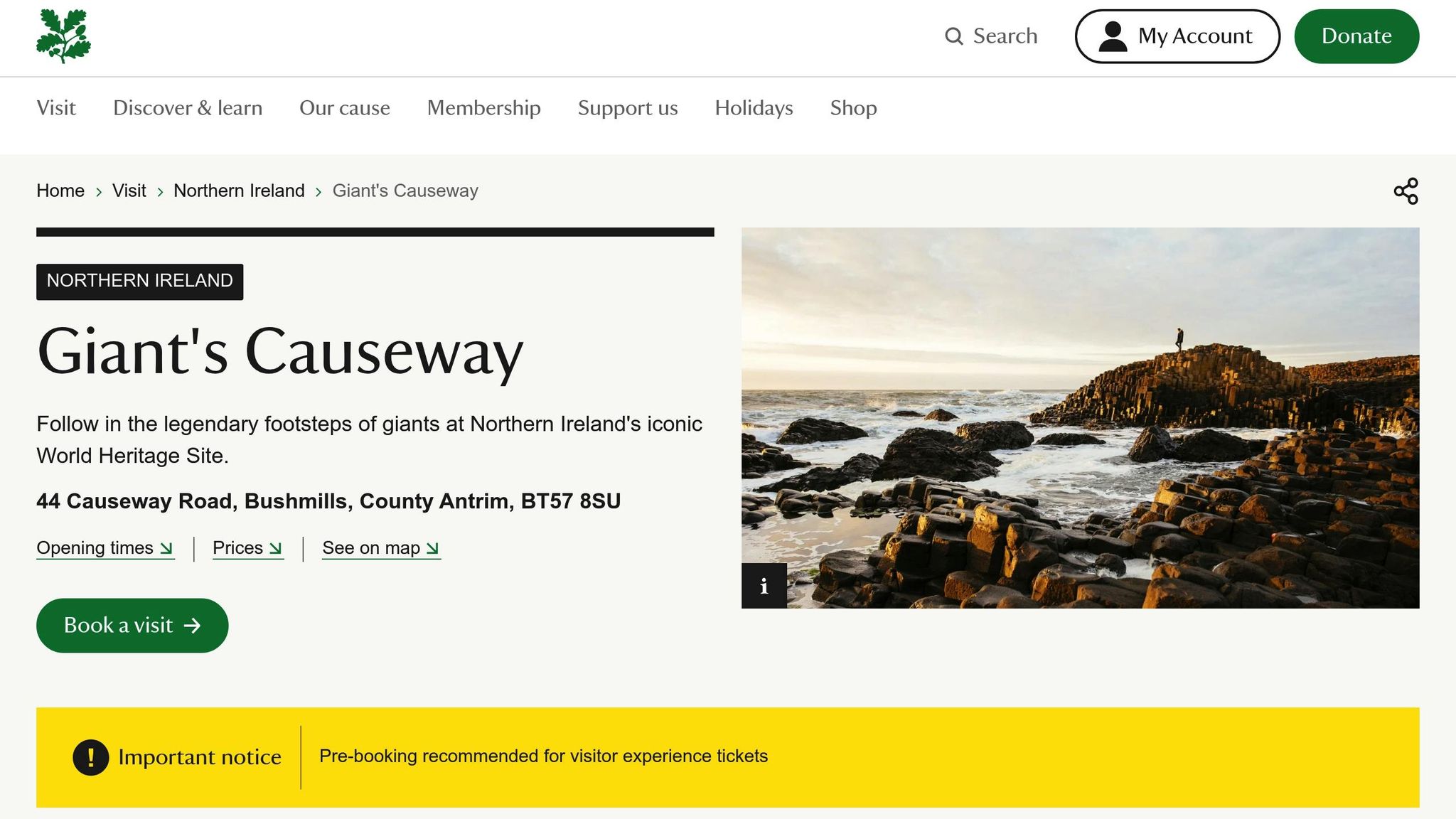
Prepare to be amazed by this UNESCO World Heritage Site, home to around 40,000 interlocking basalt columns created by volcanic activity some 50–60 million years ago. Most columns are hexagonal, though you’ll spot some with four, five, seven, or even eight sides. The tallest ones soar up to 39 feet (12 meters) high. Adding a touch of magic to the natural wonder is the Irish legend of Finn McCool (Fionn mac Cumhaill), a giant said to have built the causeway to challenge a rival from Scotland. The combination of geology and myth creates a fascinating experience for all ages.
Start your visit at the center, where audio guides and hands-on displays bring the site’s history and stories to life. From there, families can take the 0.6-mile (1 km) paved path down to the stones or opt for a shuttle bus, available for a small fee, which is especially helpful for those with young kids, strollers, or older relatives. Once at the stones, younger children can carefully climb over the lower, accessible columns near the water, while older kids and teens might enjoy exploring the marked clifftop trails. These trails offer spectacular coastal views and chances to spot wildlife. Ranger-led walks and audio tours add extra layers of storytelling, and grassy areas atop the cliffs make for great picnic spots.
Accessibility and Safety:
The visitor center is wheelchair-friendly with step-free access and adapted restrooms, but the steep paved path to the stones might be tricky for strollers. In such cases, the shuttle bus is a more convenient option. The basalt columns can be slippery when wet, so strollers and wheelchairs are best kept to paved viewing areas. Closed-toe shoes with good grip are a must, and families with toddlers may find baby carriers more practical for navigating the rockier sections.
Safety is key, especially near the water’s edge, where sudden waves and strong winds can pose risks. Keep children at a safe distance from the sea and avoid turning your back on the water. Clifftop paths can be narrow with steep drop-offs, so make sure kids stick to marked trails, hold hands, and follow safety guidelines. The weather can change quickly, so pack waterproof layers, warm clothing, and check the forecast before heading out.
Best Time to Visit:
The best months to visit are from late spring to early fall (May–September), when the weather is milder, the days are longer, and conditions are ideal for exploring. Late spring and early fall are particularly good for avoiding the peak summer crowds of July and August. If you’re visiting in summer, aim to arrive early in the morning or later in the afternoon to dodge the busiest times and avoid the harsh midday sun. Winter visits, while atmospheric, come with shorter days, colder temperatures, and a higher chance of rain and strong winds, so plan accordingly.
Practical Details:
Access to the Giant’s Causeway stones and coastal paths is free, but there are fees for the National Trust visitor center, parking, and the shuttle bus. Expect to pay around £10–£15 per adult for admission and parking, with discounts available for children and families. National Trust members enjoy free parking and visitor center access, making membership a cost-effective choice if you’re touring multiple sites in the UK or Ireland. Plan to spend 2–3 hours at the site, allowing time to explore the stones and enjoy a leisurely walk along the clifftop trails. Nearby towns like Bushmills and Portrush offer family-friendly accommodations, casual dining options, and grocery stores, perfect for grabbing picnic supplies.
Planning Your Family Trip to European Heritage Sites
For a smoother experience, plan your visit during late spring (May–June) or early fall (September–early October). These months bring pleasant temperatures, typically ranging from 60–75°F in most destinations, along with fewer crowds and more affordable prices. If you’re considering a summer trip (July–August), you’ll enjoy the warmest weather and the longest daylight hours – perfect for exploring northern sites like the Giant’s Causeway or Edinburgh Castle. However, summer also comes with larger crowds and higher costs. For Mediterranean spots like Pompeii or the Acropolis, summer temperatures can climb past 90°F, making spring and fall much better for outdoor activities with kids.
When budgeting, keep in mind that entrance fees for most sites run between $20–50 per adult, with children often getting in for half-price or even free. For example, national parks like Plitvice Lakes charge $15–40 depending on the season, while some attractions, like the Giant’s Causeway, are free to enter (though parking costs around $15). Daily food expenses typically range from $50–80 per person for a mix of sit-down meals, street food, and snacks, meaning a family of four might spend $200–300 per day. If you’re looking for more budget-friendly destinations, Montenegro’s Bay of Kotor is a great choice, where total daily costs for a family often stay under $200.
Packing smart is key to a successful trip. Bring layered clothing, waterproof gear, and sturdy footwear. For places like Ireland and Scotland, where drizzle is common year-round, pack waterproof jackets and rain pants. Hiking boots with good traction are a must for uneven trails at spots like Plitvice Lakes and the Giant’s Causeway. For Mediterranean destinations, don’t forget sun hats and high-SPF sunscreen. Daypacks stocked with water, snacks, and a first-aid kit will keep everyone comfortable. If you’re traveling with little ones, opt for baby carriers instead of strollers, as many sites feature cobblestones, steep castle steps, and wooden walkways.
Managing your itinerary is just as important as timing and budgeting. Aim for 4–6 hours of sightseeing each day, focusing on one major site. Balance busier days, like hiking or exploring large archaeological parks, with lighter activities such as beach visits, lake outings, or short walks through old towns. Pre-book popular attractions to skip long lines, and group nearby sites together. For instance, you can visit the Cliffs of Moher and the Giant’s Causeway during a week in Ireland, or pair Lake Bled with Plitvice Lakes on a Slovenia-Croatia road trip.
For family-focused travel tips and detailed itineraries across London, the UK, and Europe, check out Pigeon Pair and Me (https://pigeonpairandme.com). They offer seasonal advice and insider recommendations to help you plan an unforgettable trip.
Conclusion
Europe’s outdoor heritage sites offer families an engaging way to combine learning with adventure. Instead of being confined indoors, kids can climb castle towers, explore ancient ruins, or hike scenic trails, making history feel like an exciting, hands-on experience. Iconic spots like Pompeii and the Giant’s Causeway transform historical exploration into something vibrant and unforgettable.
These destinations naturally appeal to families because they combine fresh air with storytelling opportunities. Imagine hiking through the turquoise waterfalls of Plitvice Lakes, scaling the ramparts of Edinburgh Castle, or wandering the medieval streets along the Bay of Kotor. Children thrive in these settings, moving between breathtaking views, unraveling historical tales, and discovering hidden corners. Many families find themselves spending six hours or more at places like Plitvice, with kids eagerly darting between lakes and enjoying boat rides.
With over 400 World Heritage sites across Europe and North America combined, Europe alone offers an incredible variety of destinations that blend culture, nature, and adventure. The 10 highlighted sites in this guide showcase everything from rugged coastlines to majestic castles, ancient ruins, and serene parks. They provide the perfect mix of major attractions, leisurely walks, and relaxing beach breaks, ensuring every family member finds something to enjoy.
These destinations promise more than just sightseeing – they create opportunities for connection. Whether it’s hiking to a viewpoint, climbing a historic tower, or gliding across a heritage lake on a boat, families can share meaningful experiences that turn into cherished memories. For more detailed itineraries and practical family travel tips across Europe, the UK, and London, check out Pigeon Pair and Me to transform your plans into reality.
FAQs
When is the best time to visit these outdoor heritage sites to avoid crowds?
The ideal times to explore outdoor heritage sites in Europe with fewer crowds are during the shoulder seasons: late spring (April to early June) and early fall (September and October). These months not only bring comfortable weather but also see fewer tourists compared to the busy summer months of July and August.
For a quieter experience, plan your visit for early morning or late afternoon, particularly on weekdays. Midday and weekends tend to draw larger crowds, so avoiding these times can help make your trip more peaceful and enjoyable.
What can families do to have a stress-free and fun visit to outdoor heritage sites in Europe?
Visiting outdoor heritage sites in Europe can be an exciting adventure, especially with a bit of preparation. Start by researching the site in advance – look into the opening hours, the layout, and any special features that cater to families, such as interactive exhibits or trails designed with kids in mind.
Don’t forget to pack the essentials: bring along water, snacks, sunscreen, and clothing suited for the weather to keep everyone comfortable throughout the day. To keep the experience enjoyable, take regular breaks to avoid getting too tired, and keep kids entertained by sharing interesting facts about the site or planning activities like scavenger hunts.
Finally, be mindful of the site’s rules to ensure a pleasant visit for everyone around you. A little planning goes a long way in creating a fun and memorable outing for the entire family.
How can I save money while visiting European heritage sites with kids?
Planning a trip to European heritage sites with your kids? Here are some simple ways to make it more affordable while still packing in the fun:
- Take advantage of free admission days or look for reduced entry fees during less busy times. Many popular attractions offer these options if you do a little research.
- Bring along your own snacks and reusable water bottles to skip the high prices at cafés or vending machines.
- Check out city passes or discount cards that bundle entry to multiple attractions at a lower cost. They’re a great way to stretch your budget.
- Skip taxis and guided tours – explore on foot or rent bikes instead. It’s cheaper, and you’ll soak in more of the local atmosphere.
- Add some outdoor adventures to your itinerary. Picnics in scenic spots or visits to nearby parks can be a fun and affordable way to spend time.
With a bit of preparation, you can enjoy Europe’s rich history and culture without overspending!